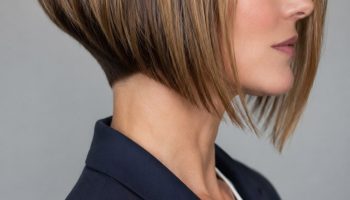


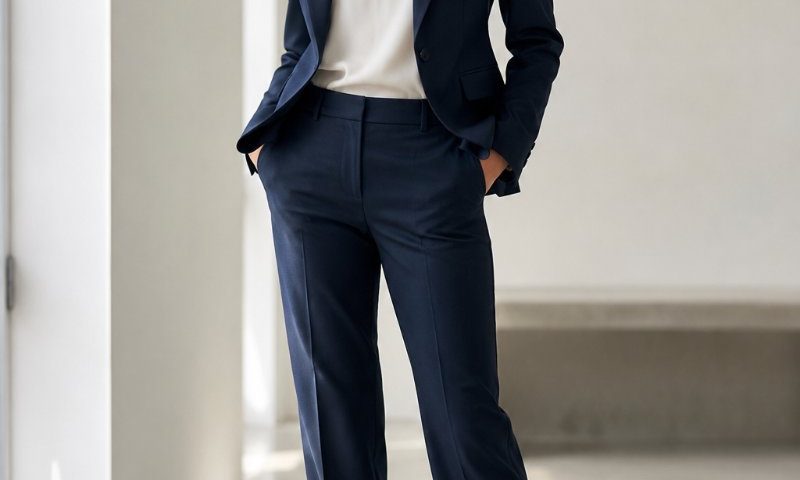
You have made it to the interview. Your resume did its job, your prep is done, and now the only variable left is the one people judge fastest: how you show up. Before you say a single word, your outfit has already told the room a story about whether you take this seriously and whether you belong in the role.
That is not vanity, it is psychology. Interviewers form a first impression in seconds, and a polished, appropriate outfit buys you the benefit of the doubt while you do the real work of answering well. The goal is not to be the most stylish person in the room. It is to look so right for the role that your clothes disappear and your answers take over.
This guide walks you through exactly what to wear to a job interview in 2026: how to decode the dress code, the foolproof outfit formulas that always work, the colours that quietly signal competence, and the mistakes that quietly cost offers.
What Interviewers Notice in the First Seven Seconds
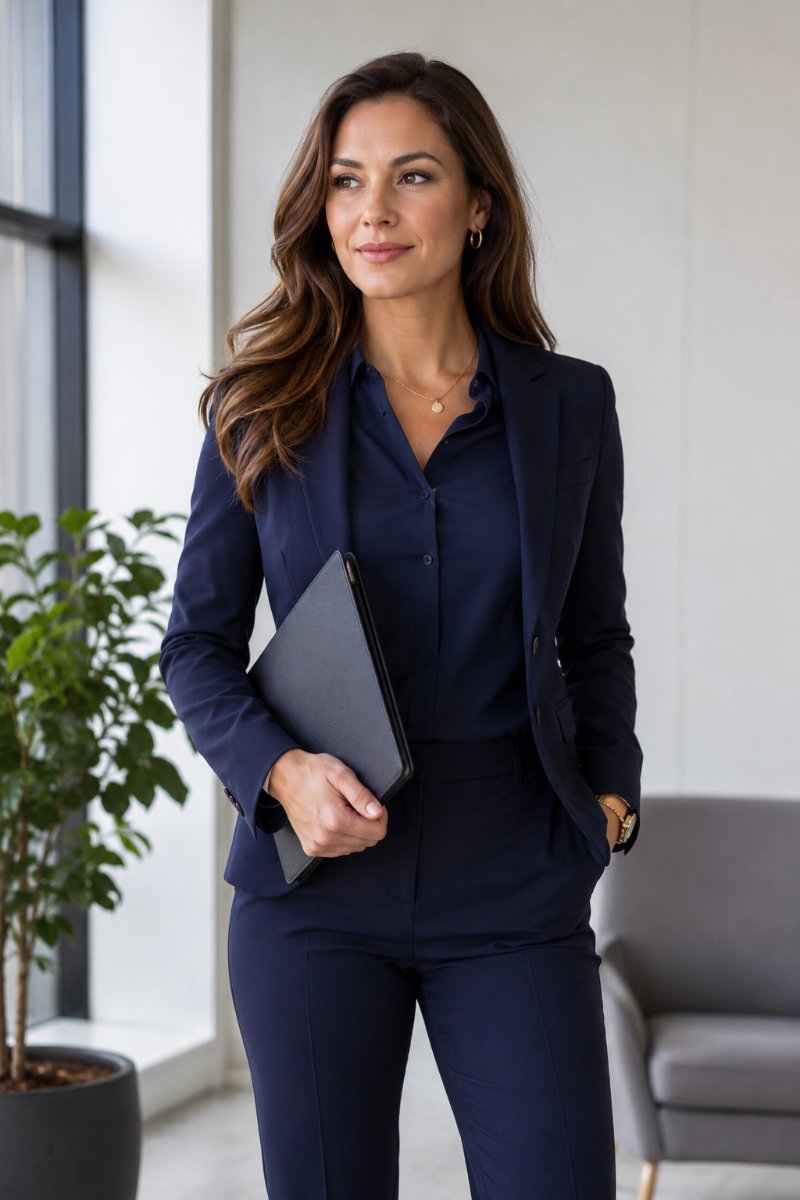
Before the conversation starts, an interviewer takes in your overall silhouette, how well your clothes fit, whether you look put-together, and whether you match the level of the role. None of this is about expensive labels. It is about looking intentional, like someone who prepared for this moment and understands the environment they are walking into.
The takeaway is simple: fit, neatness, and appropriateness beat fashion every time. A modestly priced outfit that fits well and suits the company will always outperform an expensive one that is wrinkled, too casual, or wrong for the culture. Aim to look like the best-dressed version of someone who already works there.
Decode the Dress Code Before You Choose Anything
The single biggest mistake candidates make is dressing for the wrong environment. Research the company’s culture before you choose your outfit by checking their website, their team photos, and their social media. When in doubt, dress one notch above what employees wear day to day; it reads as respect, not overdressing.
Corporate and Formal Interviews
For law, finance, consulting, and traditional corporate roles, err formal. A tailored suit or a sheath dress with a blazer in a neutral colour is the safest, strongest choice. Keep everything crisp, closed-toe, and understated. In these environments, looking conservative and polished signals that you understand the rules of the room.
Business Casual Interviews
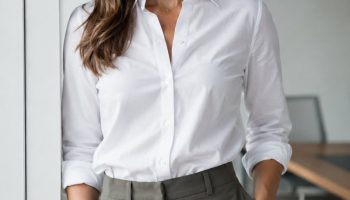
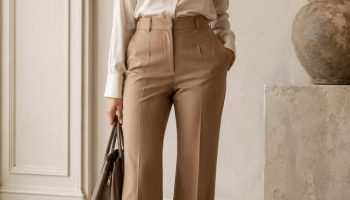
Most modern offices sit here. Tailored trousers or a skirt with a blouse, often with a blazer you can keep on or remove, hits the right note. You want to look professional and considered without appearing stiff. A blazer over a quality top is the easiest way to land squarely in business-casual territory.
Creative Industry Interviews
In design, media, fashion, and similar fields, personality is an asset, but polish still matters. You have room for a considered accent colour, an interesting accessory, or a more fashion-forward silhouette, as long as the outfit looks deliberate and well-fitted. Show taste and confidence, not just trend-following.
Startup and Tech Interviews
Startups skew casual, but casual is a trap for interviews. Smart-casual is the sweet spot: dark, well-fitted jeans or chinos with a polished top and a blazer or structured cardigan. You signal that you fit the culture while still showing you treated the interview as important. Clean sneakers can work; flip-flops and loungewear never do.
Foolproof Interview Outfit Formulas
The Tailored Suit
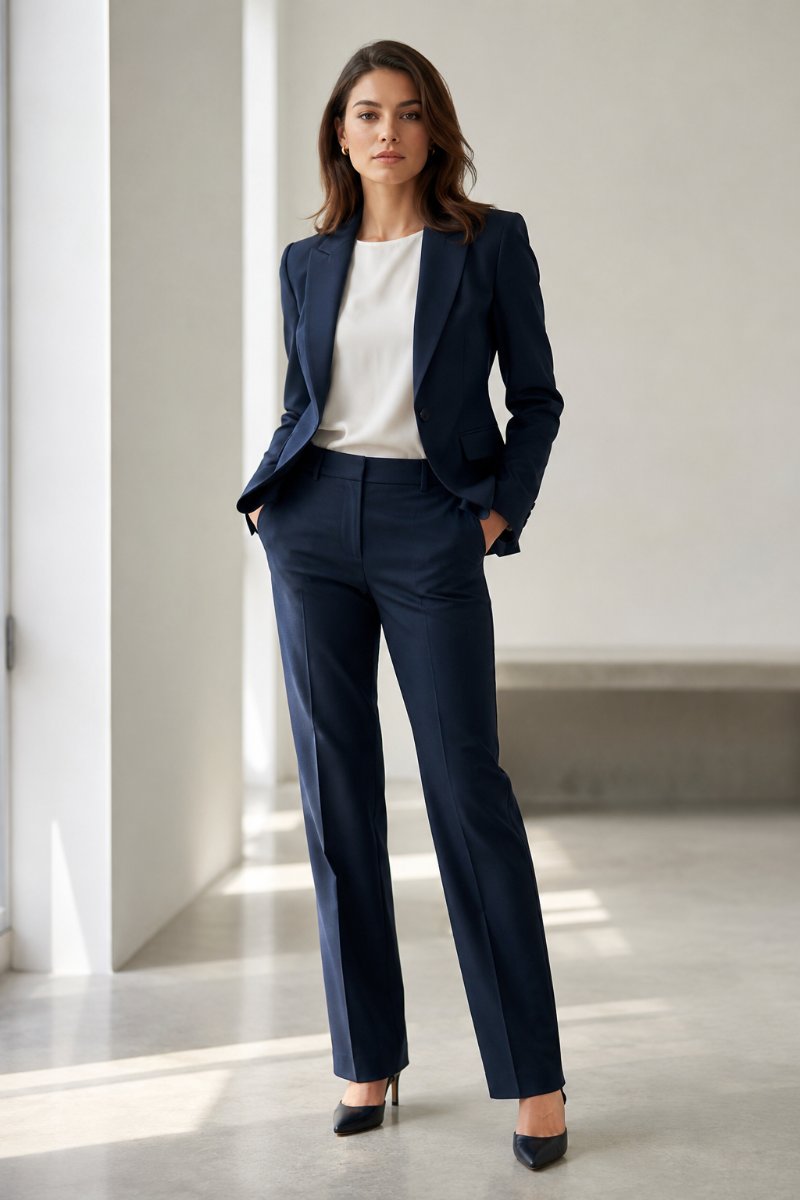
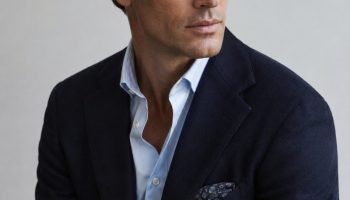
Still the most reliable interview outfit for formal roles. A well-fitted trouser or skirt suit in navy, charcoal, or black, worn with a simple shell or blouse, communicates authority and seriousness instantly. The key is fit: have it tailored so it sits cleanly, because a sharp suit reads as expensive and capable even at a modest price.
The Blazer and Trousers Combination
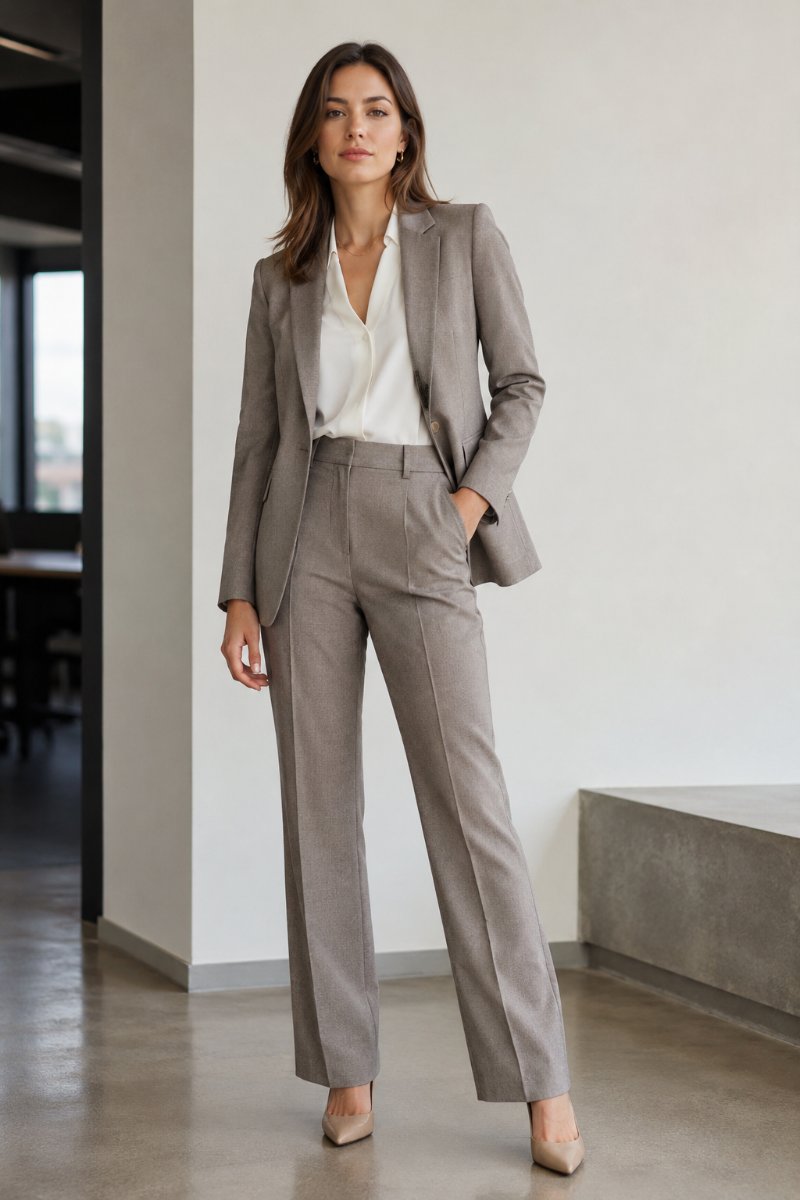
For business-casual and many corporate settings, a blazer over tailored trousers and a clean blouse is endlessly dependable. It looks pulled together, photographs well, and lets you adjust formality by keeping the blazer on or taking it off. This is the formula to default to when you are unsure how formal to go.
The Sheath Dress and Blazer
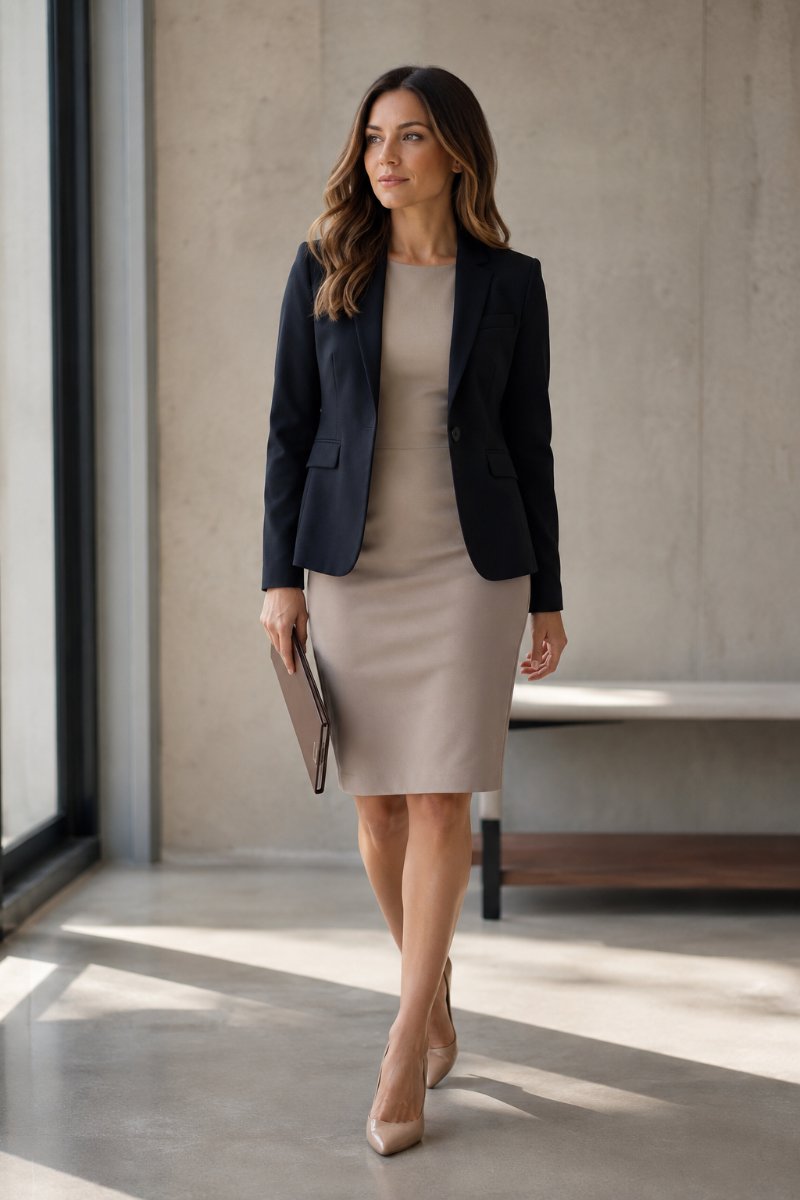
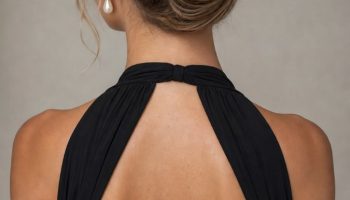
A neutral sheath dress topped with a tailored blazer is a powerful one-decision outfit: it looks considered, flatters most figures, and works across corporate and business-casual interviews. Add a low closed-toe heel or a polished flat. It is the option to reach for when you want to look sharp without assembling separates.
The Knit and Skirt Smart-Casual Look
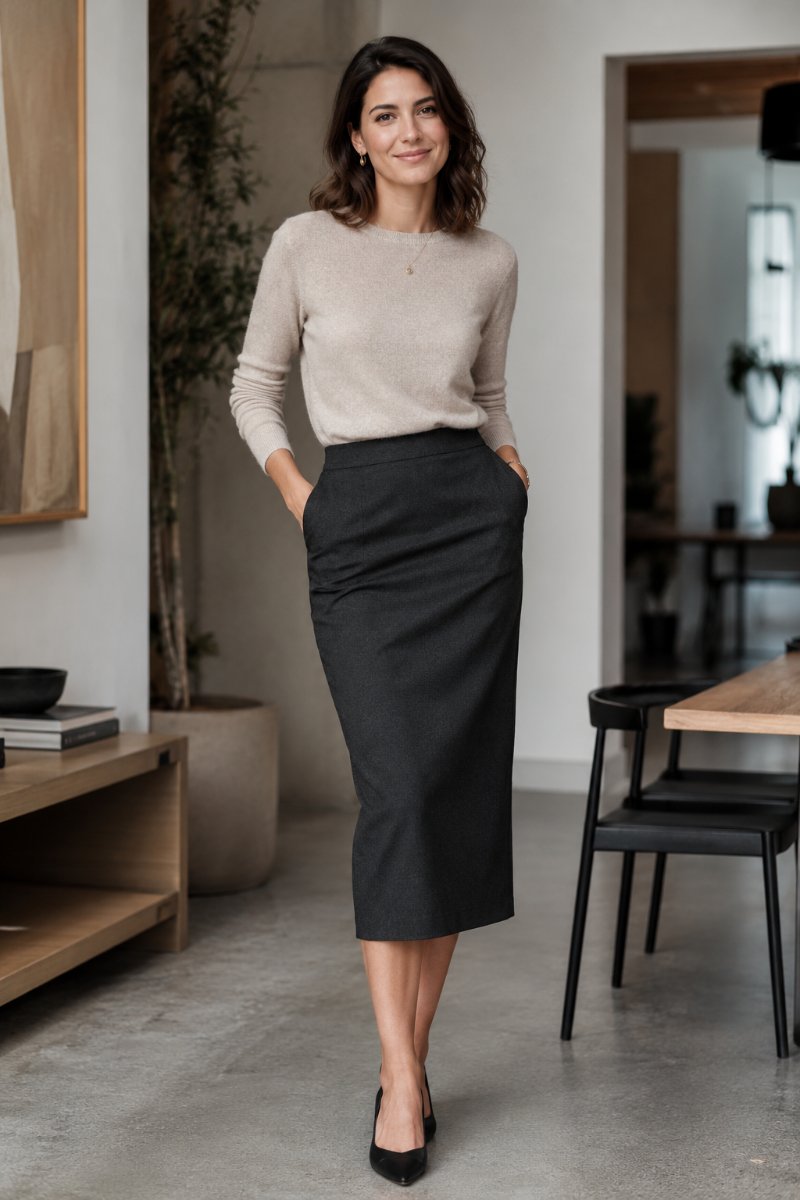
For relaxed or creative environments, a fine-gauge knit tucked into a tailored skirt, finished with clean shoes and simple jewellery, looks modern and intentional. It avoids the stiffness of a suit while still reading as professional. Keep the fabrics quality and the fit clean so it never tips into too-casual.
Colours That Signal Competence and Trust
Colour sends a message before you speak. Navy is the most recommended interview colour because it reads as confident, trustworthy, and competent, which is why it dominates corporate wardrobes. Grey and charcoal signal logic and professionalism, while black projects authority but can feel severe, so soften it with a lighter top.
Use accent colours strategically. A deep blue or burgundy adds warmth without undermining authority, and a touch of colour at the neckline can make you more memorable. Avoid anything loud or distracting, and skip busy patterns that pull focus from your face. The outfit should frame you, not compete with you.
Grooming, Accessories, and Final Details
The finishing details are where polish is won. Keep accessories minimal and intentional: a watch, simple earrings, and one quality bag large enough for a folder. Make sure shoes are clean and comfortable enough to walk in confidently, and that your outfit is pressed and lint-free the night before, not the morning of.
Grooming should be neat and understated so it does not distract. The aim across every detail is the same: nothing on your body should pull attention away from what you are saying. When the small things are handled, you walk in feeling prepared, and that confidence shows.
Common Interview Outfit Mistakes to Avoid
The most common errors are dressing too casually for the culture, wearing something that does not fit, and choosing an outfit so new or uncomfortable that you fidget through the interview. Always do a full test run, sitting, standing, and walking in the outfit beforehand. Avoid strong fragrance, overly revealing cuts, and anything you will have to adjust constantly.
One more trap: leaving it to the last minute. Decide and prepare your outfit a day ahead so a stain, a missing button, or a wardrobe surprise does not derail your morning. Calm preparation is part of the impression you make. For more polished combinations to draw from, see our guide to business casual outfits for women.
Frequently Asked Questions
What is the safest outfit to wear to a job interview?
A tailored suit or a sheath dress with a blazer in a neutral colour like navy or charcoal is the safest choice for almost any interview. It reads as professional, confident, and appropriate across most industries. If the company is clearly casual, you can dial it back to a blazer with tailored trousers, but it is always safer to be slightly overdressed than underdressed.
What colour should I wear to an interview in 2026?
Navy is the most reliable interview colour, signalling trust and competence, followed by grey and charcoal for a logical, professional impression. Black projects authority but can read severe, so pair it with a softer top. Add one restrained accent colour if you like, but avoid loud shades and busy patterns that distract from your face and your answers.
Can I wear pants instead of a skirt or dress to an interview?
Yes. Tailored trousers are completely professional and often more comfortable, which helps you focus. A trouser suit or trousers with a blazer is appropriate for any interview, including the most formal. Choose whichever you feel most confident and comfortable in, because confidence reads more strongly than the specific garment.
How casual is too casual for a startup interview?
Even at a relaxed startup, avoid jeans with rips, t-shirts, hoodies, loungewear, and flip-flops for the interview itself. Smart-casual, such as dark fitted jeans or chinos with a polished top and a blazer, signals that you fit the culture while taking the opportunity seriously. You can dress down once you have the job, not before.
Should I wear my interview outfit before the day?
Always do a trial run. Wear the full outfit, including shoes, and sit, stand, and walk in it to catch anything that pinches, gapes, or wrinkles. Check it in good light for stains or loose threads, and prepare it the night before. This removes morning stress and ensures you walk in feeling composed and confident.
You might also like: 15 Business Casual Outfits for Women • Best Hairstyles for Female Entrepreneurs in Summer • The Executive Bob
Related Post