

Every man has had the same frustrating thought standing in front of his closet: he owns plenty of clothes, but somehow nothing looks quite as sharp as he wants. The difference between a business casual outfit that looks cheap and one that looks expensive almost never comes down to how much was spent. It comes down to fit, fabric, colour, and a handful of details most men overlook entirely.
Business casual is the trickiest dress code precisely because it has so few rules. Without the structure of a suit to fall back on, the responsibility for looking polished shifts entirely onto your choices. Get those choices right and a modest wardrobe can look genuinely high-end; get them wrong and even pricey pieces fall flat.
This guide breaks down exactly how to build men’s business casual outfits that look expensive, including the core pieces worth owning, the fit and fabric rules that do the heavy lifting, the colour palette that always reads refined, and the small mistakes that quietly cheapen a look.
What Business Casual Actually Means in 2026
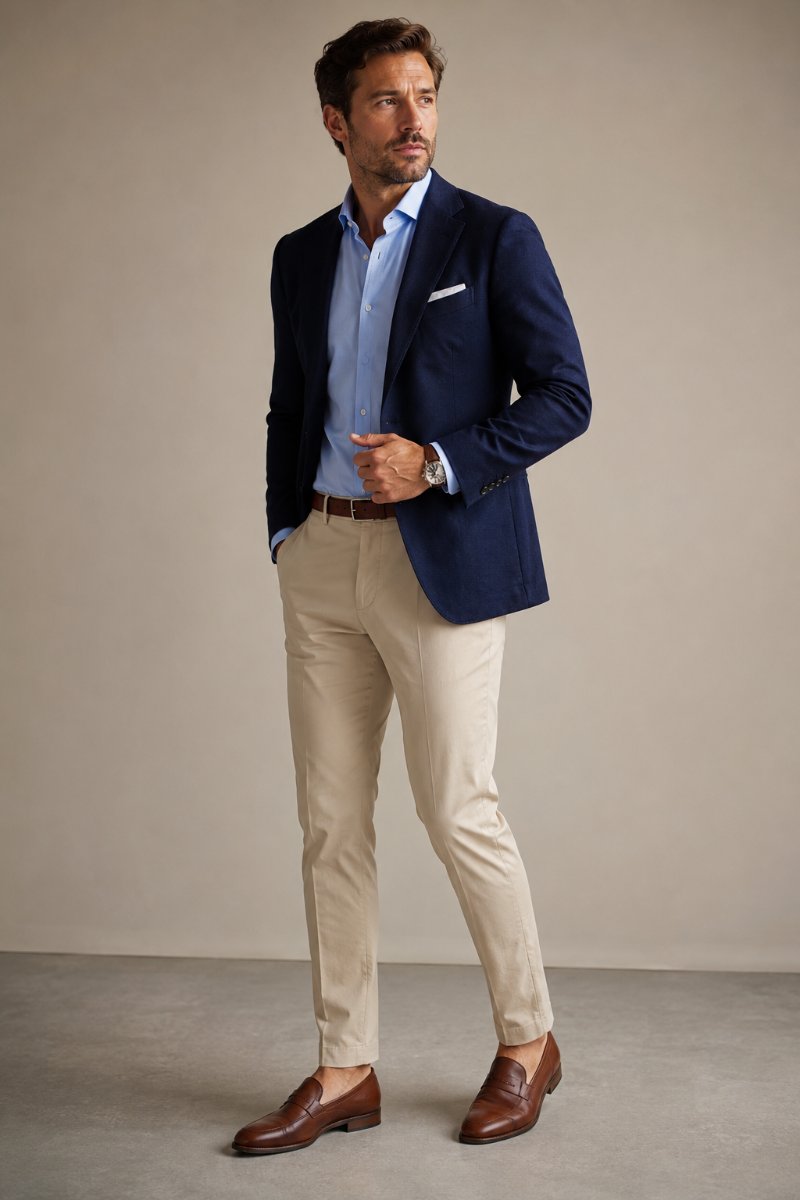
Business casual sits in the wide space between a full suit and weekend wear, and in 2026 it leans more relaxed than it did a decade ago, without ever becoming sloppy. The modern interpretation is about looking intentional and put-together while staying comfortable, which means tailored separates rather than matched suiting, and elevated basics rather than streetwear.
The mental model that helps most is this: you are aiming to look like the most competent person in a relaxed office, not the most casual. Every piece should look deliberately chosen. When in doubt, lean slightly dressier, because it is far easier to look like you made an effort than to recover from looking like you did not.
The Core Pieces That Build an Expensive-Looking Wardrobe
The Unstructured Blazer
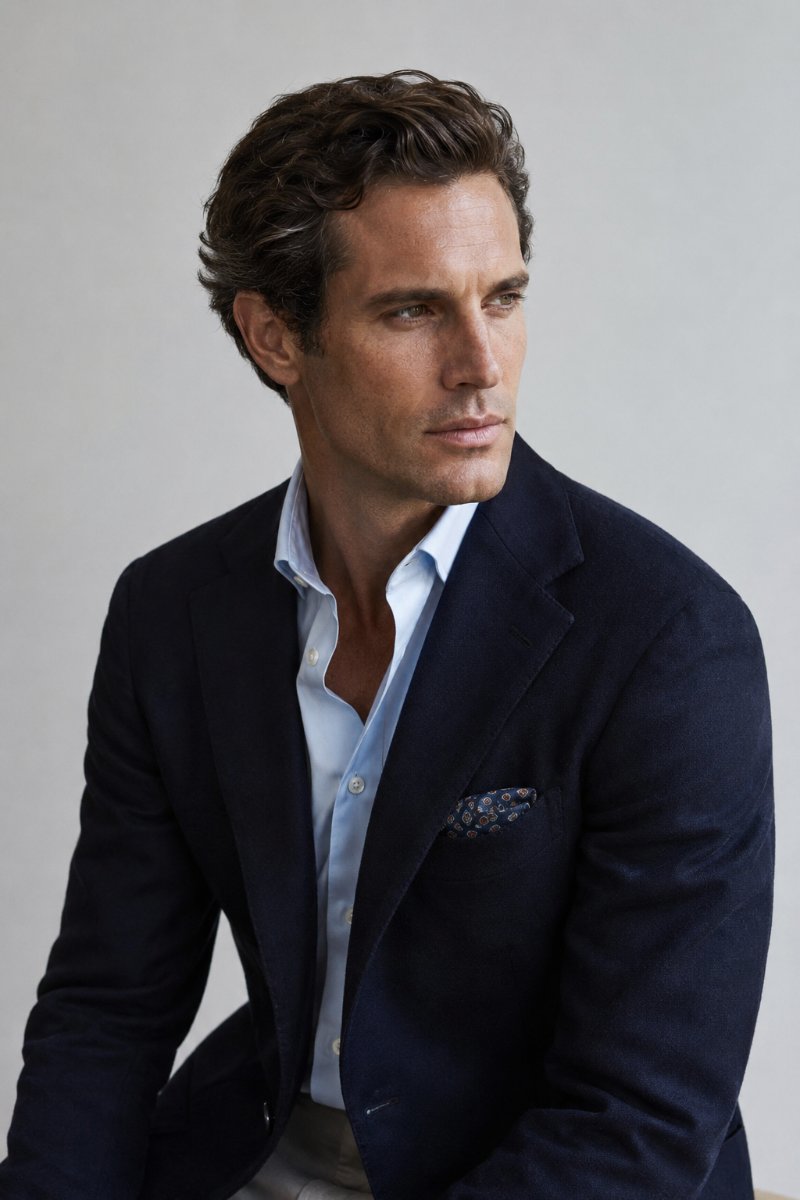
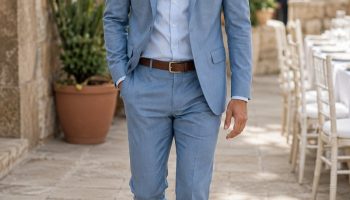
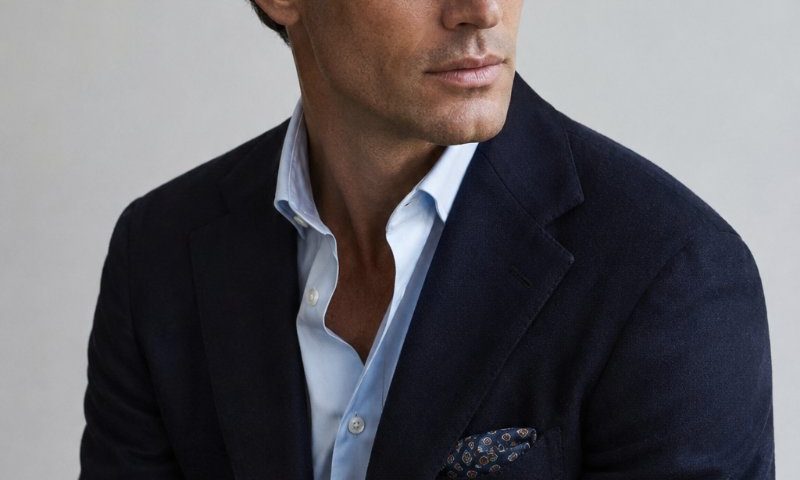
Nothing elevates a business casual outfit faster than a blazer, and an unstructured one in a breathable fabric is the most versatile version you can own. Worn over a shirt or a fine knit, it instantly adds polish and structure to your upper body. Choose navy or a soft earth tone first, keep the fit close but not tight, and have the sleeves adjusted so a little shirt cuff shows.
The reason a blazer reads as expensive is that it adds shape, and shape is what the eye associates with tailoring and quality. Even over jeans, a well-fitted blazer pulls an entire outfit up a level. If you buy one upgrade for your wardrobe, make it this.
The Oxford and Knit Polo Shirts
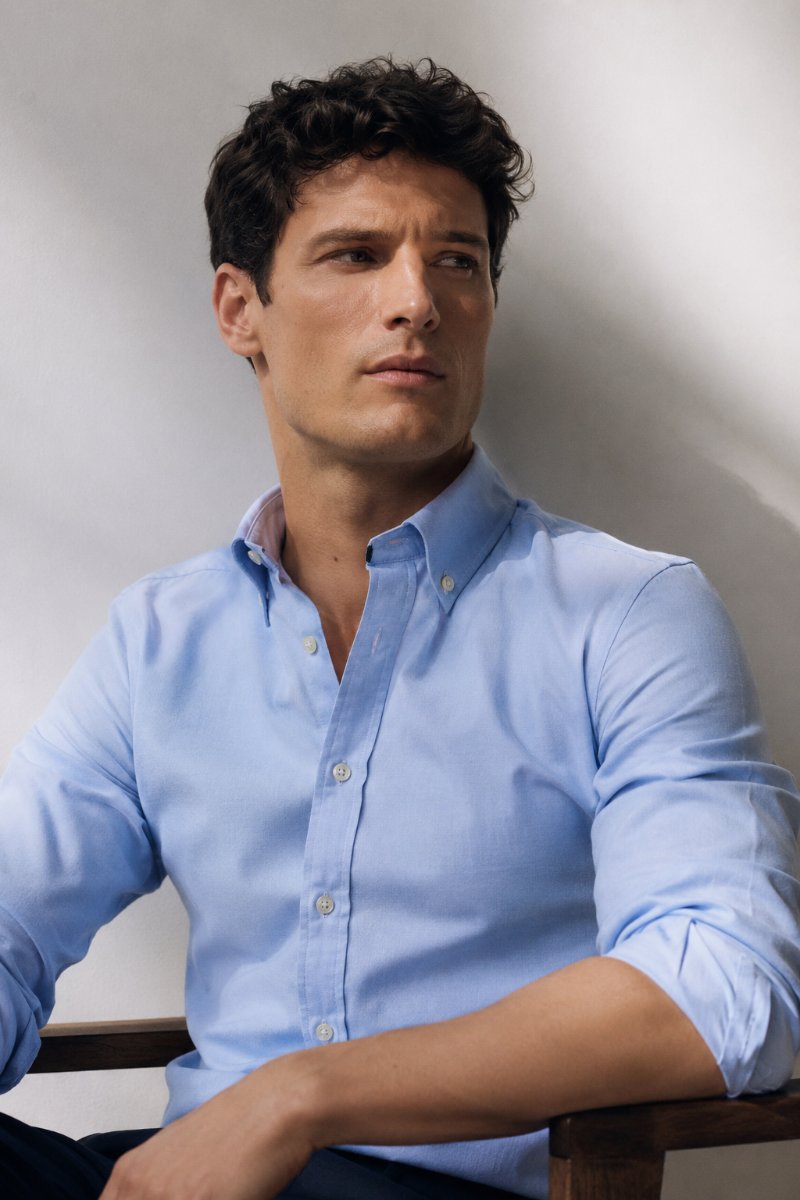
Your shirts do most of the daily work, so quality here pays off visibly. A crisp oxford-cloth button-down in white or light blue is a year-round staple that works tucked under a blazer or worn on its own. For warmer days, a knit polo in a refined fabric reads far more expensive than a standard pique polo and pairs beautifully with tailored trousers.
Whatever the shirt, fabric and fit decide everything. Choose substantial cottons and knits that hold their shape over thin, shiny fabrics that cling and wrinkle. Make sure the shoulder seams sit exactly at your shoulders and the body skims rather than billows.
Tailored Chinos and Trousers
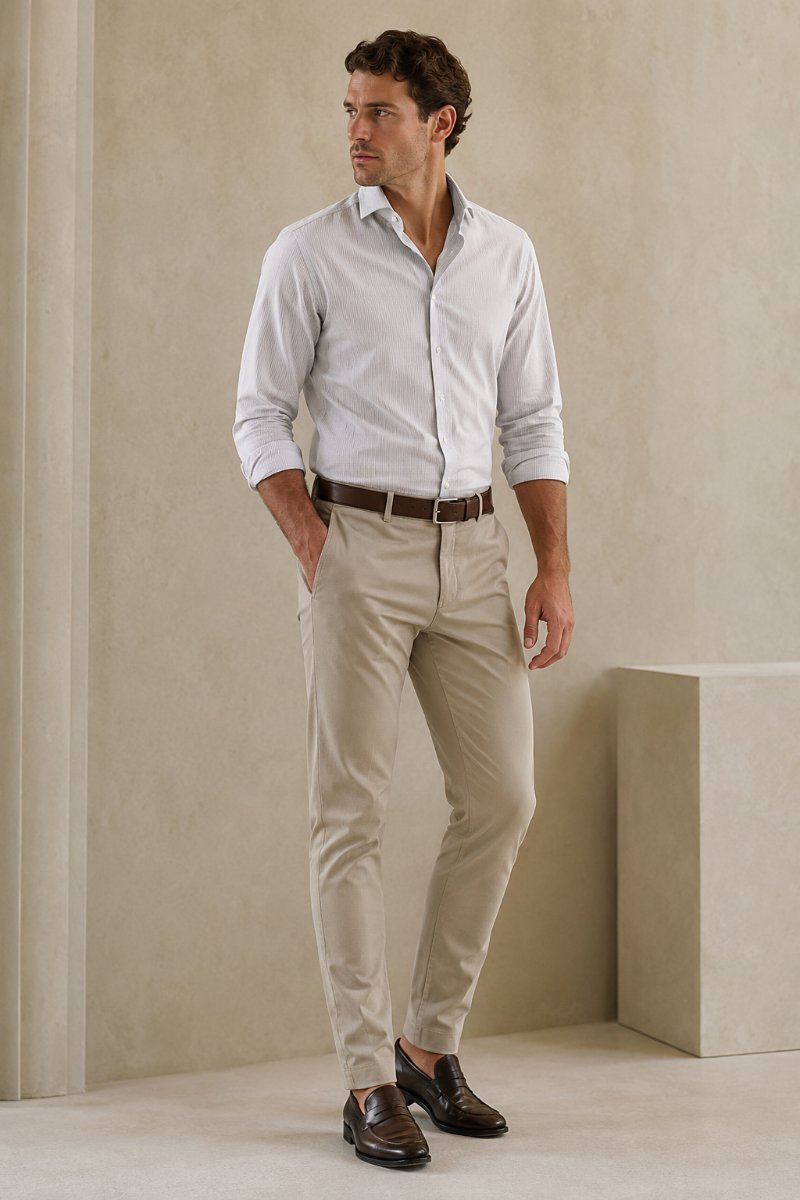
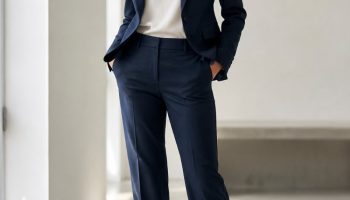
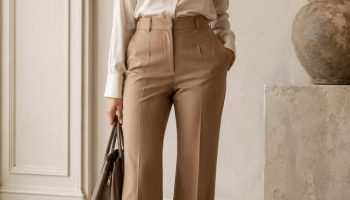
The fastest way to look cheap is ill-fitting trousers, and the fastest way to look expensive is the opposite. Invest in tailored chinos in stone, navy, and olive, plus a pair of dressier wool-blend trousers for the sharper end of business casual. The fit should be clean through the leg with little to no break at the shoe.
Pay attention to the small things: a slight taper modernises the silhouette, and a proper hem length keeps the look intentional. A twenty-dollar tailor visit to adjust the waist and hem will do more for how your trousers look than spending twice as much off the rack.
The Fine-Gauge Knit
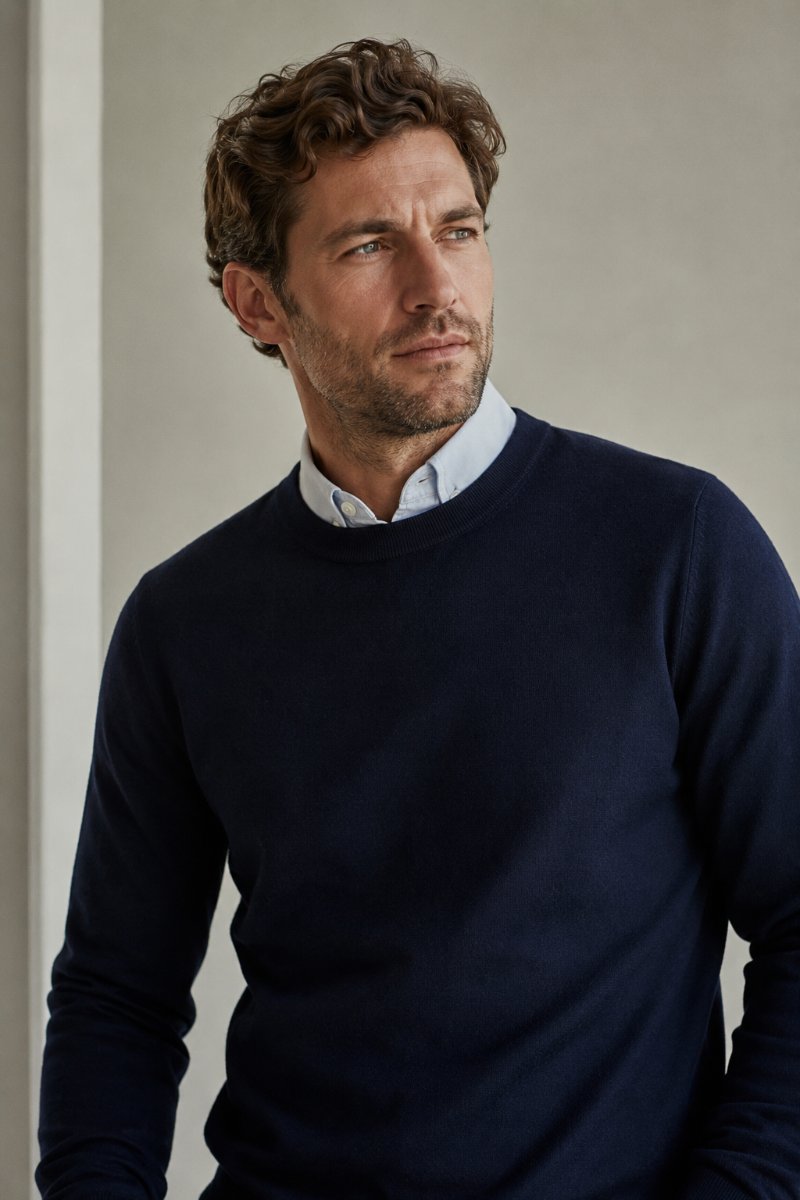
A fine merino crewneck or quarter-zip is one of the most underrated business casual pieces. Layered over a collared shirt or worn under a blazer, it adds texture and a quiet sense of expense that polo shirts cannot match. Stick to solid neutrals so it works across your whole wardrobe.
Fine-gauge is the operative phrase, because thin, smooth knits read as refined while chunky ones read as casual. Keep it free of pilling and it will look premium for years. This is the layer that makes autumn and winter business casual look effortless.
Leather Shoes and a Clean Minimal Sneaker
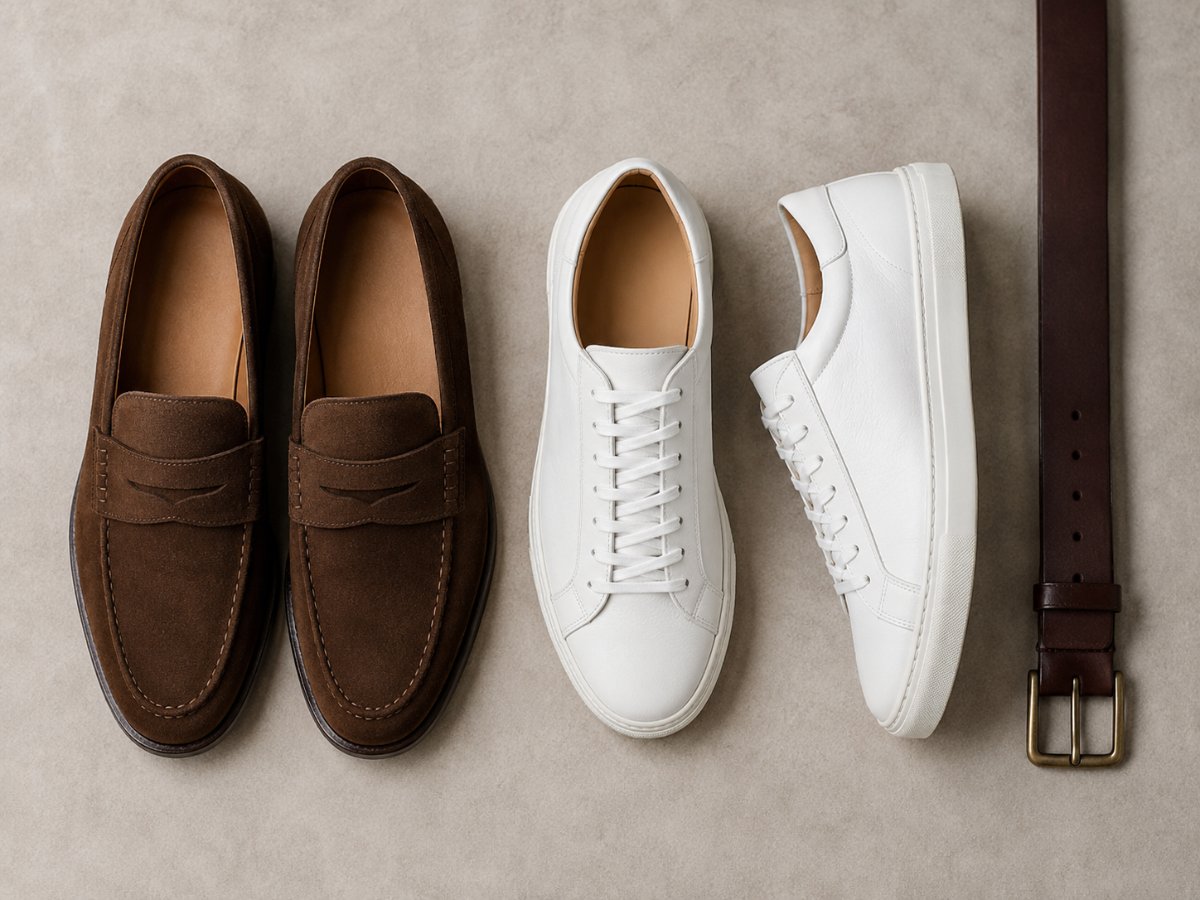
Footwear is where men most often betray a budget, because worn or wrong shoes undermine everything above them. Own one pair of quality leather shoes, such as suede loafers or clean Derbies in brown, and one pair of minimal leather sneakers for the most relaxed days. Both should be in good leather and kept immaculately clean.
Match your belt to your shoes and keep both well maintained, because scuffed leather is the single fastest way to look careless. In business casual, polished shoes do a disproportionate amount of the work in making the whole outfit look expensive.
The Leather Watch and Subtle Accessories
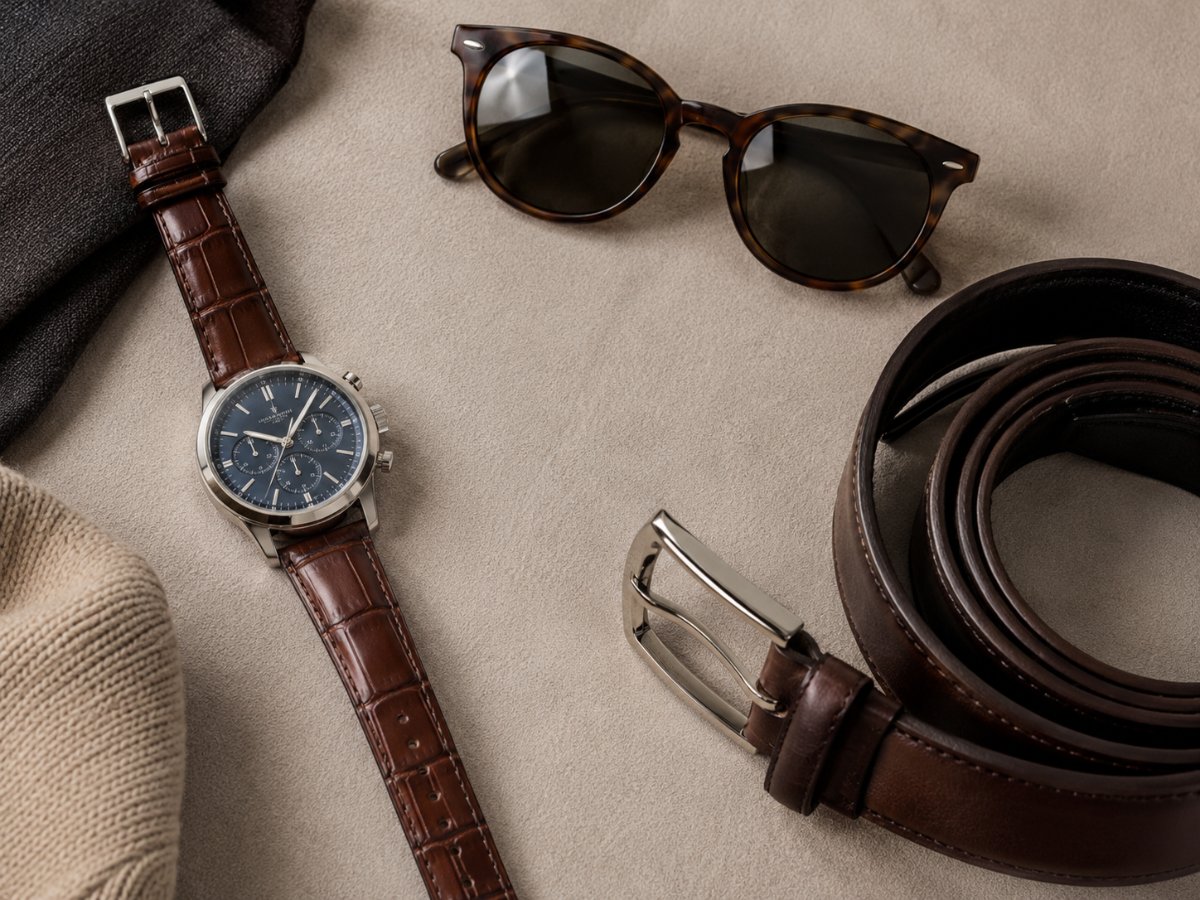
Accessories should whisper. A simple watch on a leather or steel strap, a quality belt, and perhaps a discreet pair of sunglasses are all most men need. Avoid anything loud, logo-heavy, or fussy, since restraint is exactly what signals taste at this level.
The principle is the same as the rest of the wardrobe: a few quality pieces worn consistently beat a drawer full of statement items. One good watch does more for your image than three flashy ones ever could.
The Colour Palette That Always Looks Refined
Expensive-looking business casual lives in a disciplined neutral palette: navy, grey, white, stone, olive, and brown, with the occasional muted accent like burgundy or forest green. These tones combine effortlessly, so almost any top works with any bottom, and they never look dated or try-hard. Building your wardrobe around them is the simplest way to guarantee everything coordinates.
Keep contrast moderate and patterns subtle. A tonal outfit in related neutrals reads as considered and modern, while loud colours and busy prints tend to cheapen a look and date quickly. If you want personality, express it through texture and fit rather than bright colour.
Fit and Fabric: The Two Rules That Do the Most Work
If you remember nothing else, remember that fit and fabric matter more than price or brand. Clothes that fit your actual body, skimming without pulling or bagging, look expensive regardless of cost, while poorly fitting clothes look cheap no matter what you paid. Build a relationship with a good tailor and adjust your key pieces; it is the highest-return money you can spend on your wardrobe.
Fabric is the silent signal. Natural fibres and quality blends like cotton, wool, linen, and merino drape well, breathe, and hold their shape, while cheap synthetics shine, cling, and wrinkle in ways the eye reads instantly as low quality. Choose better fabrics in fewer pieces and the whole wardrobe levels up. For the wardrobe side of staying sharp in heat, our guide to summer suits and humidity-proof fabrics goes deeper on materials.
Common Mistakes That Make Business Casual Look Cheap
The usual culprits are predictable once you know them: clothes that are too big or too tight, shiny synthetic fabrics, scuffed or overly casual shoes, and shirts left untucked when the outfit calls for a cleaner line. Over-accessorising and loud logos also drag a look down fast. Most of these are easy to fix once you start noticing them.
Another quiet mistake is neglecting upkeep. Wrinkled shirts, pilled knits, and dirty sneakers can undo an otherwise good outfit in seconds. A few minutes of pressing, lint-rolling, and shoe-cleaning is the cheapest possible upgrade to how expensive you look, and it costs nothing but attention.
Frequently Asked Questions
What does business casual mean for men in 2026?
It means tailored, intentional separates that sit between a suit and weekend wear: think a blazer with chinos, an oxford shirt or fine knit, and clean leather shoes. In 2026 it leans slightly more relaxed than before but never sloppy. The goal is to look polished and considered while staying comfortable, with quality basics rather than streetwear or matched suiting.
How can I make cheap clothes look expensive?
Focus on fit, fabric, colour, and upkeep. Have your key pieces tailored so they fit your body cleanly, choose natural-fibre fabrics over shiny synthetics, stick to a neutral palette, and keep everything pressed and your shoes clean. A well-fitted, well-maintained mid-priced outfit consistently looks more expensive than a designer one worn straight off the rack.
Can I wear jeans for business casual?
Often yes, depending on the workplace. Dark, well-fitted jeans with no distressing can work for business casual when paired with a blazer, a polished shirt or knit, and clean leather shoes. In more conservative offices, choose chinos or trousers instead. When jeans are acceptable, keep them dark and structured so they read as deliberate rather than weekend wear.
What colours should men prioritise for business casual?
Build around navy, grey, white, stone, olive, and brown, with occasional muted accents like burgundy or forest green. These neutrals combine effortlessly and always look refined, so nearly every top works with every bottom. Keep contrast moderate and patterns subtle, and express personality through texture and fit rather than bright colours or busy prints.
What shoes work best for business casual?
One pair of quality leather shoes, such as suede loafers or brown Derbies, plus a clean minimal leather sneaker for relaxed days, covers almost everything. Keep them in good leather, match your belt to your shoes, and clean them regularly. Polished, well-chosen footwear does a disproportionate amount of the work in making business casual look expensive.
You might also like: Summer Suits for Men: Which Fabrics Actually Survive Humidity in 2026 • 10 Men Suits That Actually Signal Power, Taste and Intent
Related Post