



Imagine waking up to a payment notification for something you made once, months ago. No inventory sitting in your garage, no packing boxes, no shipping labels. That is the pull of digital products, and in 2026 it is more real and more crowded than ever. The opportunity is huge, but so is the pile of low-effort junk you have to rise above.
This guide cuts through it. You will get the digital products actually worth selling this year, where to sell them, how to make your first one, how to price it, and how to get sales coming in while you sleep. No hype, just a realistic path from idea to income.
What “Scales While You Sleep” Really Means
A digital product is something you create once and sell an unlimited number of times, with no physical goods and near-zero cost per sale. Sell one template or a thousand, your workload barely changes. That is the leverage a service business or a day job can never match.
The catch people skip: “passive” income is not effortless income. You do the work upfront, creating the product and building the marketing engine, and then it pays you afterward. The sleeping-while-you-earn part is real, but only after you have put in the building part first.
What Makes a Digital Product Actually Sell
Before the list, understand the pattern behind every product that sells. It solves a specific, painful problem for a specific person. “A planner” does not sell; “a 2026 content planner for Etsy sellers” does. The tighter your audience and the sharper the problem, the easier every later step becomes.
Winning products also save people time, money, or effort, and they deliver a quick, visible win. If your buyer can look at what they got and immediately think “this was worth it,” you have something. If they have to work hard just to use it, you do not.
The Best Digital Products to Sell in 2026
1. Templates

Templates are the reigning champion of digital products because they hand someone a finished structure they only have to fill in. Notion setups, spreadsheet trackers, resume templates, and Canva social-media kits all sell constantly. Pick a tool you already know well and build the exact template you wished existed when you started.
2. Printables

Printables are low-effort to make and beloved on Pinterest and Etsy: wall art, budgeting sheets, meal planners, kids’ activity pages, and wedding checklists. They are cheap individually, so you win on volume. Their visual nature makes them perfect for pin-driven traffic that keeps working long after you post.
3. Online Courses

If you can teach a skill someone will pay to learn faster, a course is the highest-value product on this list. It takes the most work upfront, but it also commands the highest price. Start smaller than you think: a focused mini-course that solves one problem beats a bloated masterclass nobody finishes.
4. Ebooks and Guides

A well-packaged ebook or PDF guide still sells beautifully when it delivers a clear outcome, like “the exact steps to launch your first Etsy shop.” Depth and specificity are what justify the price. Nobody buys a generic ebook; they buy the shortcut to a result they want now.
5. Presets and Filters

If you have an eye for photo editing, Lightroom presets and video LUTs sell to creators who want a consistent look in one click. They are quick to produce in batches and easy to demo with before-and-after images, which does most of the selling for you.
6. Digital Planners
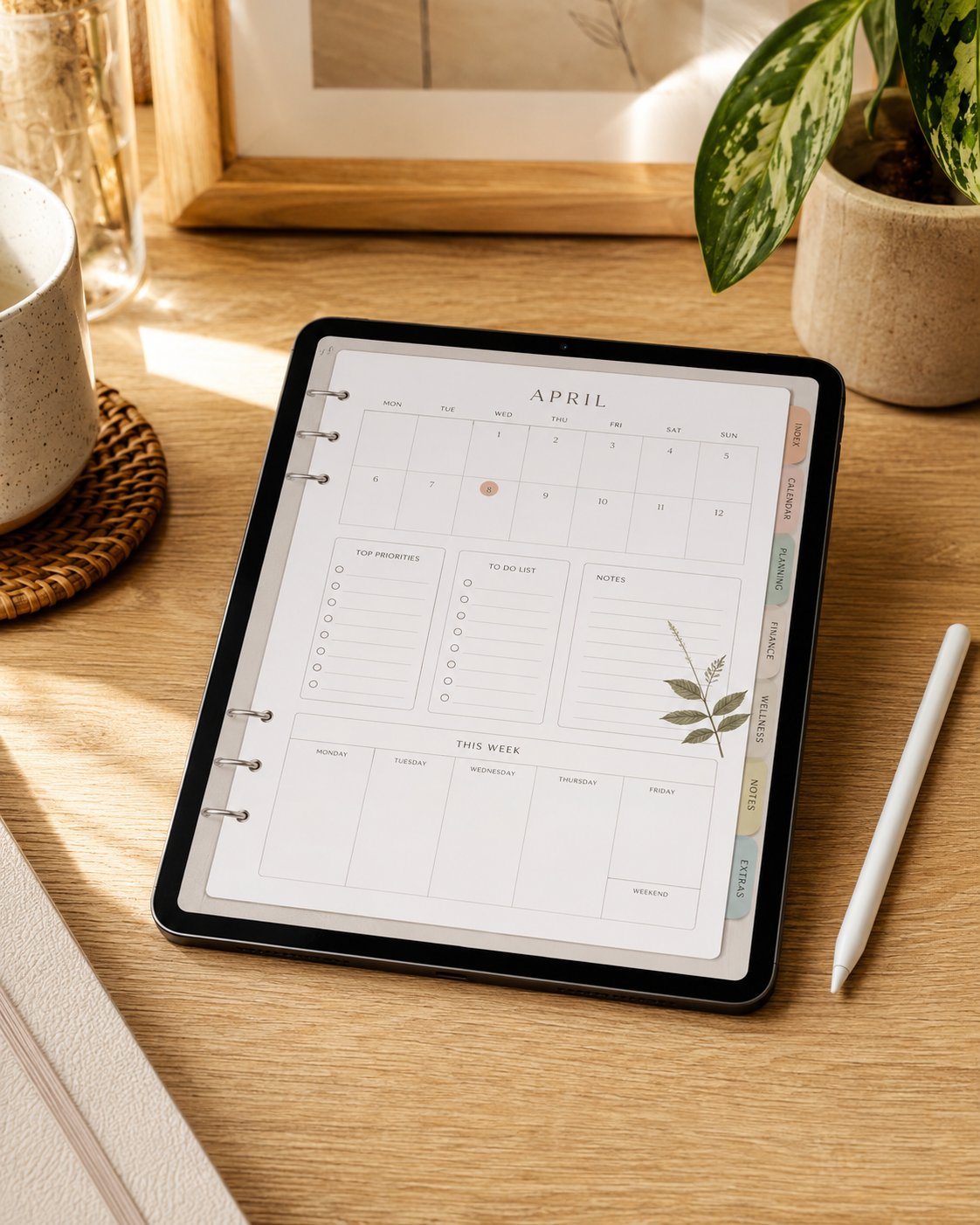
Digital planners for tablet apps like GoodNotes have exploded, and they blend the best of templates and printables. Hyperlinked pages, undated layouts, and habit trackers all sell year-round, with a reliable spike every January. Build one great planner and you can spin off niche versions endlessly.
7. Stock Media

Photos, background music, sound effects, and short video clips sell over and over to content creators who need assets fast. If you shoot, design, or record, your existing library might already be a product. Bundle by theme and you turn a folder of files into a passive catalog.
8. No-Code Tools and Add-Ons

You no longer need to be a developer to sell software-like products. Notion widgets, spreadsheet calculators, automation templates, and small no-code tools solve real workflow pain and can command premium prices. If you can build a clever system, you can package and sell it.
9. Paid Communities and Memberships

A membership turns one-time buyers into recurring revenue, which is the holy grail of scalable income. Access to a private community, monthly resources, or ongoing coaching bills every month. It takes more upkeep than a static file, but predictable recurring income is worth the effort once you have an audience.
10. Audio Products

Guided meditations, sleep stories, sound packs for producers, and audio courses are an underrated corner of the market. They are cheap to produce with a decent mic, and they serve buyers who prefer listening over reading or watching. If your skill is your voice or your ear, this is your lane.
Where to Sell Your Digital Products
The platform you choose shapes how much you keep and how much traffic you get for free. Gumroad is the fastest way to start selling almost any file with a simple checkout. Etsy brings built-in shoppers hunting for printables and templates, though it takes fees and owns the customer. For courses and memberships, Podia and Teachable handle hosting, payments, and student access. And if you want to own everything, a Shopify store with a digital-downloads app keeps you in full control of your brand and customer list.
A smart move is to start on a marketplace like Etsy for discovery, then build your own store and email list so you are not renting your business from a platform forever.
How to Create Your First Digital Product
Start by validating the idea before you build anything. Look at what already sells in your niche on Etsy and Gumroad; proven demand beats a clever untested idea every time. Pick the smallest useful version of your product so you can finish it in days, not months.
Then build it in a tool you know, make the finished result genuinely useful, and package it cleanly with clear instructions and attractive preview images. Launch it to whatever small audience you have, gather feedback, and improve. Your first product does not need to be perfect; it needs to exist and to solve one real problem well.
How to Price Digital Products
Price on the value of the outcome, not the hours you spent or the file size. A template that saves someone ten hours is worth far more than the ten minutes it takes them to use it. Printables often sell for a few dollars and win on volume, templates and guides in the low tens, and courses or memberships from tens into the hundreds.
When in doubt, price a little higher than feels comfortable and let sales tell you. Underpricing signals low quality and leaves money on the table, and it is far easier to run a discount than to raise a price your early buyers anchored too low.
Getting Sales While You Sleep
A product with no traffic earns nothing, so your marketing engine matters as much as the product. Pinterest is the powerhouse for digital products because pins keep driving traffic for months; create multiple pins per product and link them straight to your listing. Search-friendly blog content and Etsy SEO pull in buyers who are already looking for what you sell.
Above all, build an email list from day one. A free sample or mini-version in exchange for an email lets you sell to the same people again and again, which is where the real, compounding money is. If you want more ways to turn skills into income, our guide to realistic side hustles that actually pay pairs well with a digital-product launch.
Mistakes to Avoid
Do not build in a vacuum for months before showing anyone; validate first. Do not make your product too broad, because “for everyone” sells to no one. Do not neglect the preview images and sales copy, since for a digital product those are the product as far as the buyer can see. And do not treat launch day as the finish line; the first version is where the real work of marketing and improving begins.
Finally, once the money starts coming in, treat it like a real business. Separating your income properly from the start makes tax season painless, and our roundup of the best business bank accounts for freelancers and LLCs is the right next step once sales are steady.
Turn One Product Into a Product Suite
The sellers who earn real money rarely stop at one product. Once something sells, you have proof of what your audience wants, and the smartest next move is to build around that win rather than chasing a brand-new idea. Think in tiers: a cheap entry product to win trust, a core product that does the heavy lifting, and a premium offer for your most committed buyers.
For example, a budgeting printable can grow into a full digital planner, then a mini-course on managing money, then a paid community. Each product feeds the next, and buyers who love the first are the warmest possible audience for the rest. This “value ladder” is how a few dollars per sale quietly turns into a business, because your marketing effort now sells several products instead of one.
A Realistic 30-Day Launch Plan
If you work best with a deadline, here is a simple month-long path from zero to your first sale. In week one, research your niche and pick one specific product idea with proven demand. In week two, build the smallest useful version and write clear instructions to go with it.
In week three, set up your listing with strong preview images and honest sales copy, and create a free sample to start collecting emails. In week four, launch: publish several Pinterest pins, tell your existing network, and share the free sample everywhere your audience hangs out. By the end of the month you will not just have a product; you will have real feedback and, very likely, your first few sales to build on.
The Bottom Line
Digital products are one of the few ways to build income that keeps working after the work is done, but they reward focus over hype. Pick one specific product for one specific person, make it genuinely useful, and put more energy into marketing than you think you need. Start small, launch before you feel ready, and let real sales guide what you build next.
Frequently Asked Questions
What is the easiest digital product to start with?
Templates and printables are the easiest entry points. They are quick to create in tools you likely already use, cheap to sell, and have proven, steady demand on Etsy and Pinterest.
How much can you realistically make selling digital products?
It varies widely. Many sellers make a modest side income of a few hundred dollars a month, while those who build an audience and a product suite can reach full-time income. Results depend far more on marketing than on the product itself.
Do I need an audience before I start?
No, but it helps. You can launch on a marketplace like Etsy that provides built-in traffic while you slowly build your own audience and email list on the side for long-term, platform-independent sales.
Are digital products really passive income?
Partly. Creating the product and setting up marketing is active work upfront. Once that is done, sales can come in with little ongoing effort, though most products still need occasional updates and continued promotion to keep selling.
Where should I sell to keep the most profit?
Your own store on a platform like Shopify or Gumroad keeps the most per sale and gives you the customer relationship. Marketplaces like Etsy take fees but provide discovery, so many sellers use both.
You might also like: 11 Realistic Side Hustles for Women That Actually Pay · Best Business Bank Accounts for Freelancers and LLCs · LLC vs S-Corp: Which Is Right for Your Small Business?
Related Post