


Most people treat Pinterest like a mood board. Recipes, outfits, dream kitchens. Harmless scrolling.
But a quieter group treats it like what it actually is: a visual search engine that sends free, buyer-ready traffic to whatever you point it at. And that traffic can absolutely turn into money.
The best part? You do not need a huge following, a personal brand, or a face on camera. You need the right strategy and a little patience.
Here is exactly how to make money on Pinterest in 2026, the real routes, what actually works now, and a realistic look at the timeline, without the hype.
Why Pinterest Makes Money (When Instagram Fights You)
Here is the key mindset shift: Pinterest is not social media. It is a search engine that happens to use images.
People do not go there to chat or kill time. They go there planning to do or buy something, a trip, a renovation, a purchase. That intent is gold.
And unlike a post that dies in an hour, a pin can drive clicks for months or years. You do the work once, and it keeps paying, which is exactly why it is a favorite for building income around a small business.
The Real Ways to Make Money on Pinterest
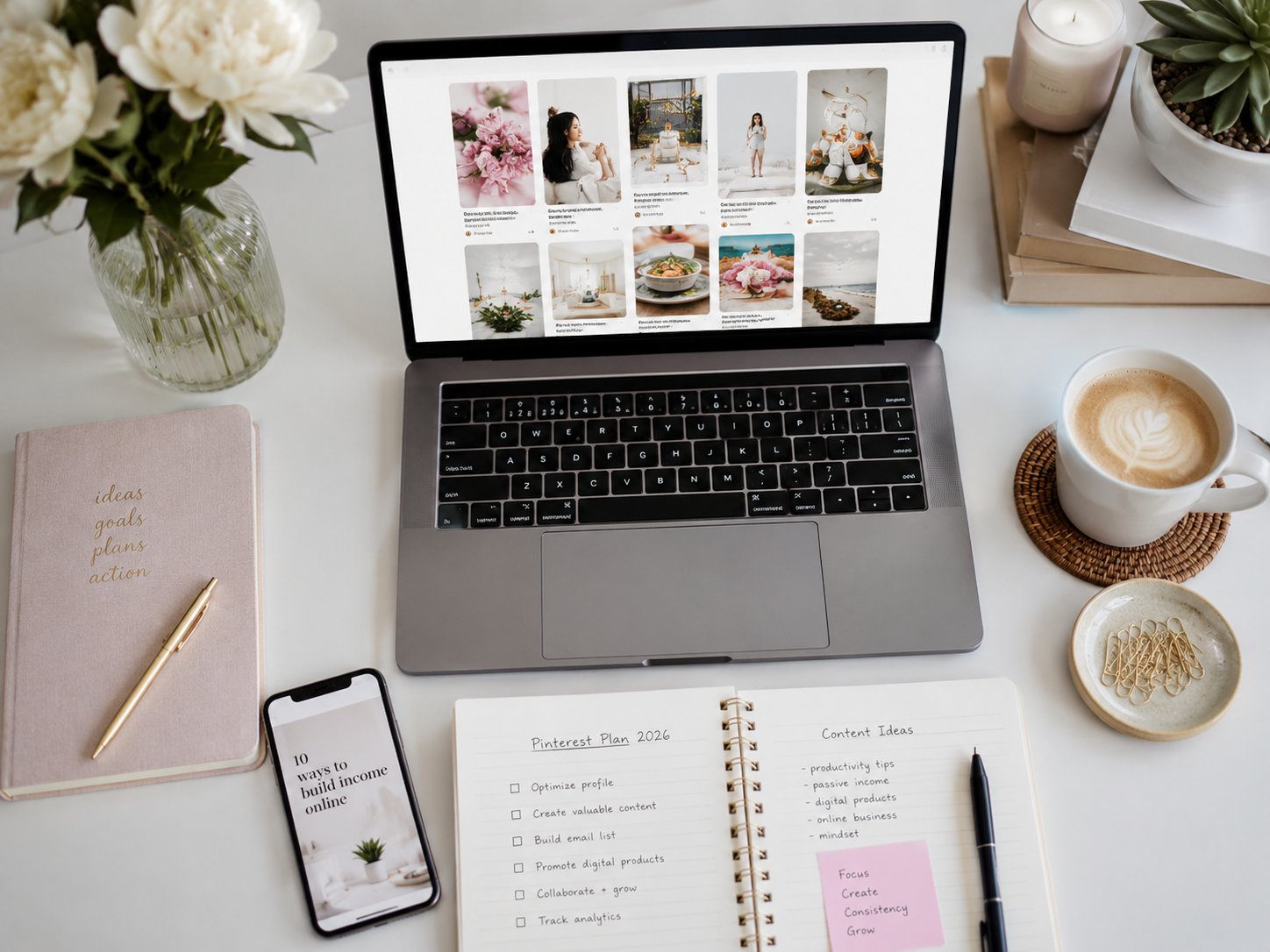
Pinterest rarely pays you directly. It makes you money by sending traffic somewhere that does. Here are the main routes.
1. Affiliate marketing
You pin products you recommend, and when someone buys through your link, you earn a commission. It is one of the fastest ways to start because you do not need your own product.
The smartest approach sends pins to a blog post or landing page rather than straight to a raw affiliate link, which builds trust and converts better. New to this? Our guide to affiliate marketing for beginners walks through the whole thing.
2. Selling your own products
Pinterest is a shop window for anything you sell, physical products, printables, templates, courses, or services.
Digital products pair especially well with it, since a single pin can quietly sell the same file over and over. If that appeals, our list of digital products to sell in 2026 is a good starting point.
3. Driving traffic to a blog
If you have a blog, Pinterest is one of the best free traffic sources there is. More visitors means more ad revenue and more affiliate clicks.
Many bloggers get the bulk of their income indirectly this way: Pinterest sends the reader, and the blog monetizes them with ads and links. It is slower to set up but compounds beautifully.
4. Growing an email list
Point pins at a free freebie, a checklist, a guide, a template, in exchange for an email address, and you build an audience you own.
That list is where a lot of the real money lives, because you can sell to the same people again and again, long after they found you on Pinterest.
5. Managing Pinterest for others
Once you know how Pinterest works, businesses will pay you to run their accounts. Pinterest virtual assistant and management is a real, in-demand freelance service.
It is a great option if you would rather earn a predictable fee than build your own audience from scratch.
You Really Do Not Need a Big Following
This trips people up, so let us be clear. On Pinterest, followers barely matter.
Because it is a search engine, your pins get shown based on relevance and keywords, not how many people follow you. A brand-new account can rank for a search and get thousands of views.
That is the whole appeal. You are not begging an algorithm to show your stuff to fans, you are answering what people are already searching for.
How to Set Yourself Up the Right Way
A few setup basics make everything easier. First, get a free Pinterest business account, which unlocks analytics and rich pins. A personal account leaves money on the table.
Then treat keywords like the foundation they are. Put the words people search into your profile, board names, pin titles, and descriptions. This is SEO, not hashtags.
Organize your boards around clear topics that match what you offer, and claim your website so your pins are linked to you. Do this once, and every pin you make afterward works harder.
Creating Pins That Actually Get Clicked
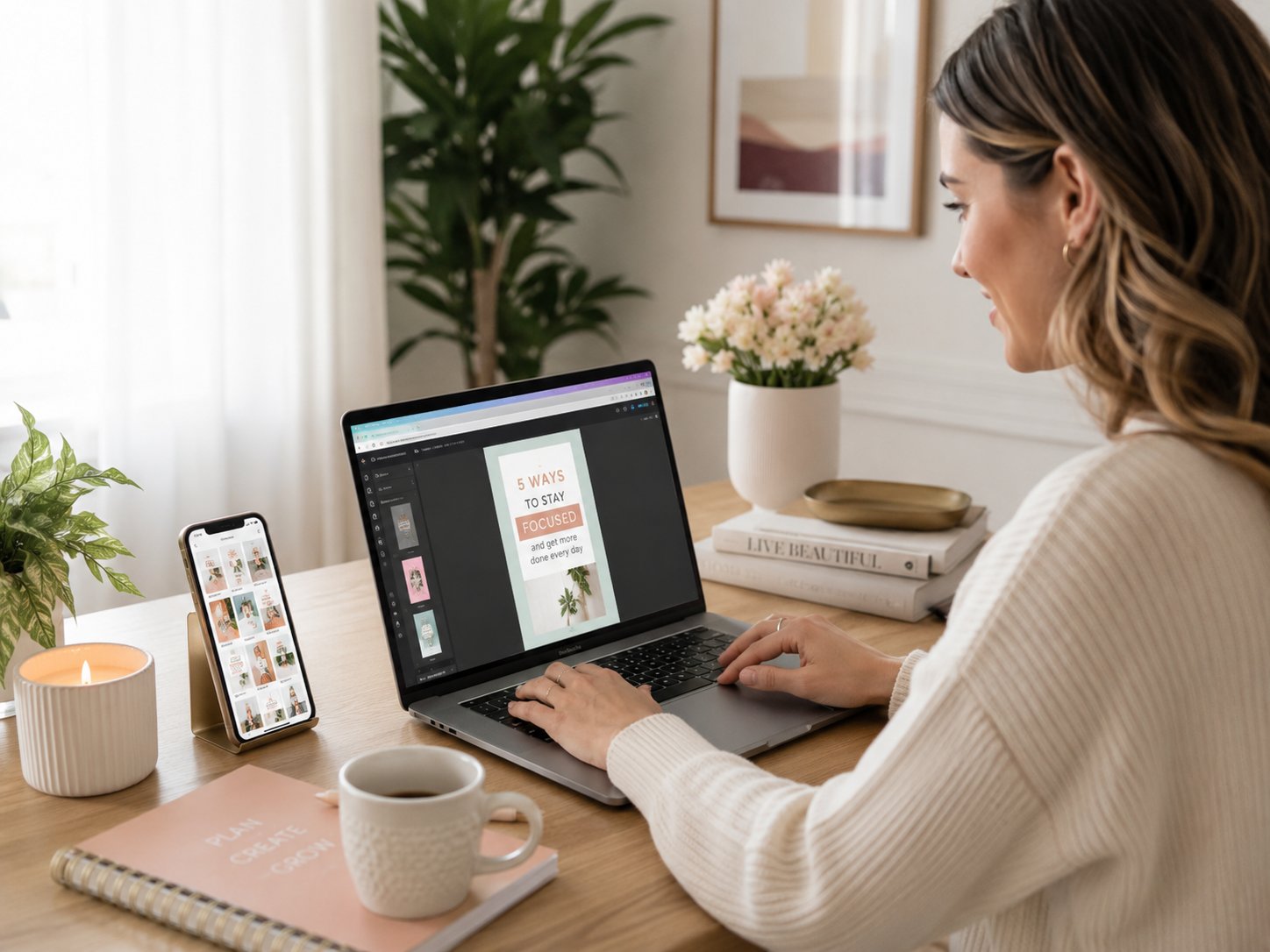
The pin is your storefront. If it does not stop the scroll, nothing else matters.
Design tall, vertical images (a 2:3 ratio works best), with bright, clean visuals and easy-to-read text overlay that tells people what they will get. Free tools like Canva make this genuinely easy.
Write a clear title and a keyword-rich description so Pinterest knows when to show it. And make several different pins for the same link, since you never know which design will take off.
Then pin consistently. A steady few pins a day beats a giant burst once a month, every time.
A Realistic Timeline and Income
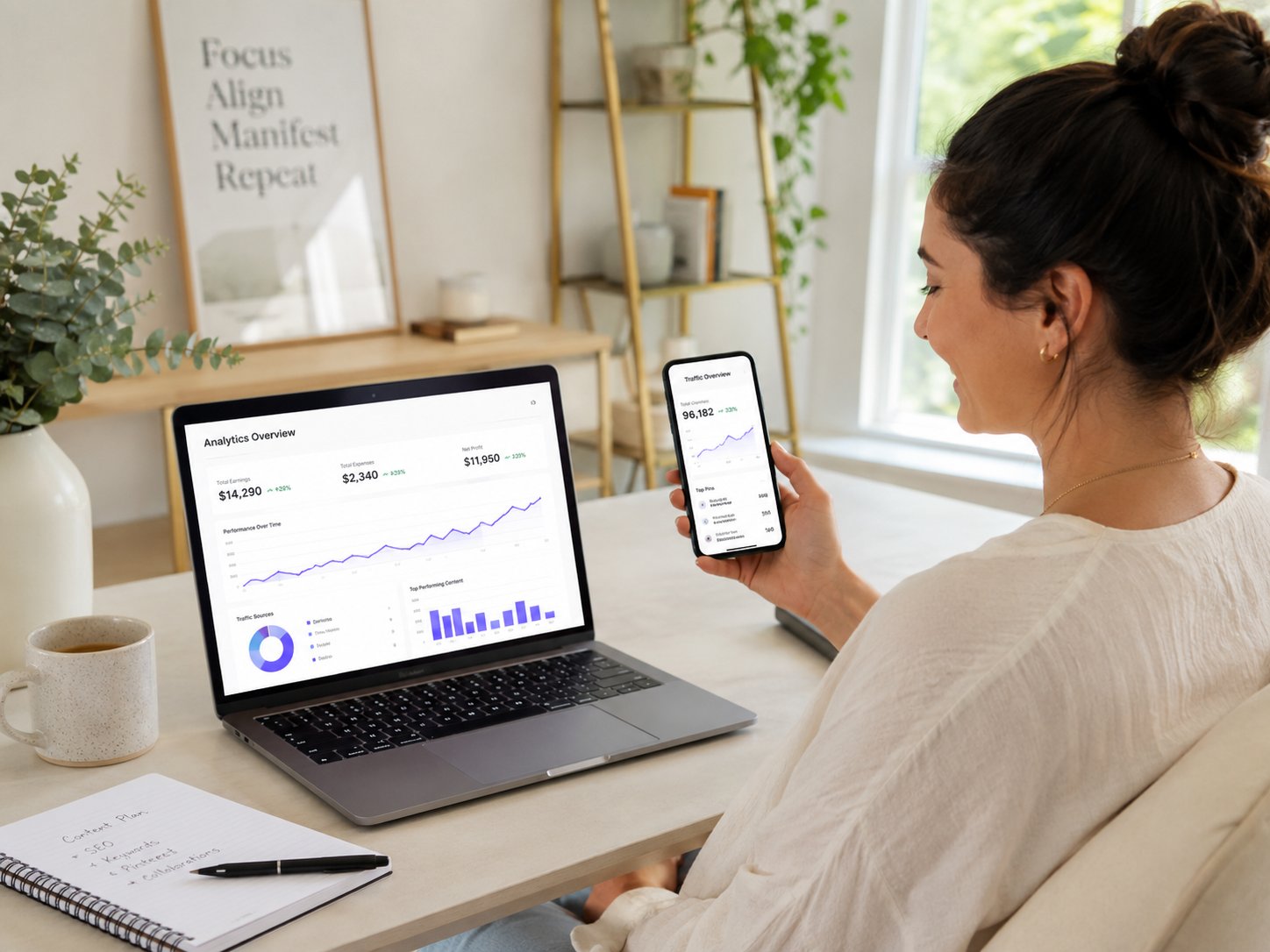
Let us be honest about the timeline, because this is where people quit too early.
Pinterest is a slow burn. It often takes two to three months of consistent pinning before your traffic really climbs, because your content has to get indexed and start ranking.
Push through that quiet stretch, though, and it compounds. Pins you made months ago keep driving clicks while you sleep, and your income grows on top of work you already did.
Realistic earnings vary wildly, from a little side money to a full-time income, depending on your niche and what you are selling. Treat it as a long game, not a quick flip.
Mistakes to Avoid
A few missteps quietly kill people’s results.
Do not treat Pinterest like Instagram, chasing followers and likes instead of clicks and searches. Do not ignore keywords, since pretty pins nobody can find earn nothing.
Do not give up at week three, right before it starts working. And do not spam raw affiliate links, which converts poorly and can get you flagged, send people to helpful content instead.
The Niches That Do Best on Pinterest
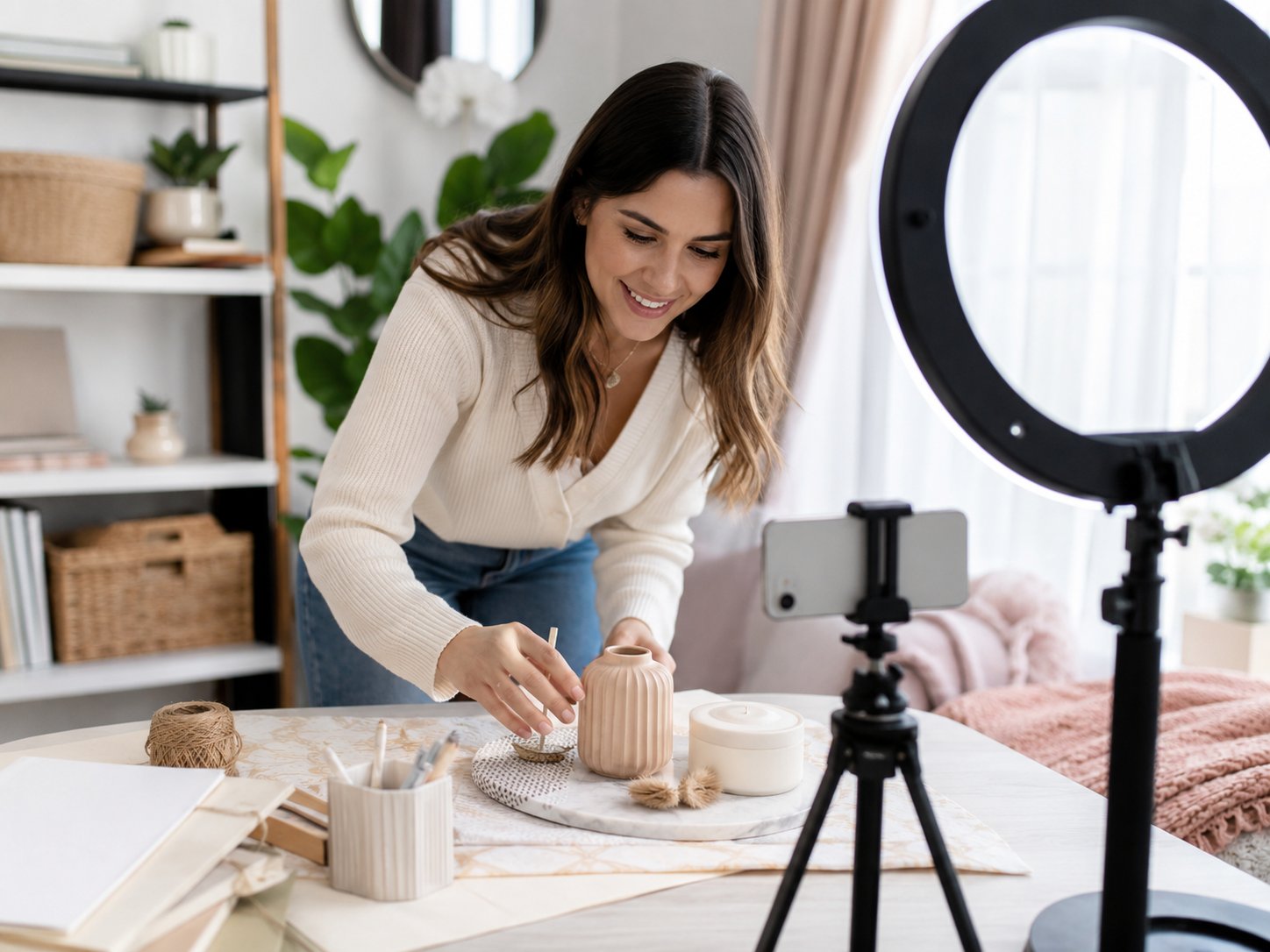
Some topics simply fly on Pinterest, because that is what people go there to plan and buy.
Home and decor, food and recipes, fashion and beauty, weddings, and DIY are the classic powerhouses. So are personal finance, productivity, parenting, and health.
You do not have to force yourself into one of these. But if your niche overlaps with a visual, plan-ahead topic, you will grow faster. Lean into whatever you can make look good and search-worthy.
Turning Traffic Into Actual Sales
Traffic is not money. What you do with it is.
The mistake beginners make is sending every pin straight to a sales page. It feels efficient, but cold clicks rarely buy on the spot.
Instead, send pins to something helpful first, a blog post, a free guide, an email opt-in, and let that build a little trust before you ask for the sale. Warm readers convert far better than strangers.
Capturing an email is the highest-value move of all, because it turns a one-time visitor into someone you can sell to for years.
Do You Need Pinterest Ads?
Short answer: no, not to start.
Pinterest’s whole appeal is free organic reach, and most people build real traffic without spending a cent on ads. Nail your keywords and pin design first.
Once you have a product that already sells organically, ads can pour fuel on the fire and speed things up. But paying to promote before you have proven the offer just burns money faster.
A Simple Weekly Pinterest Routine
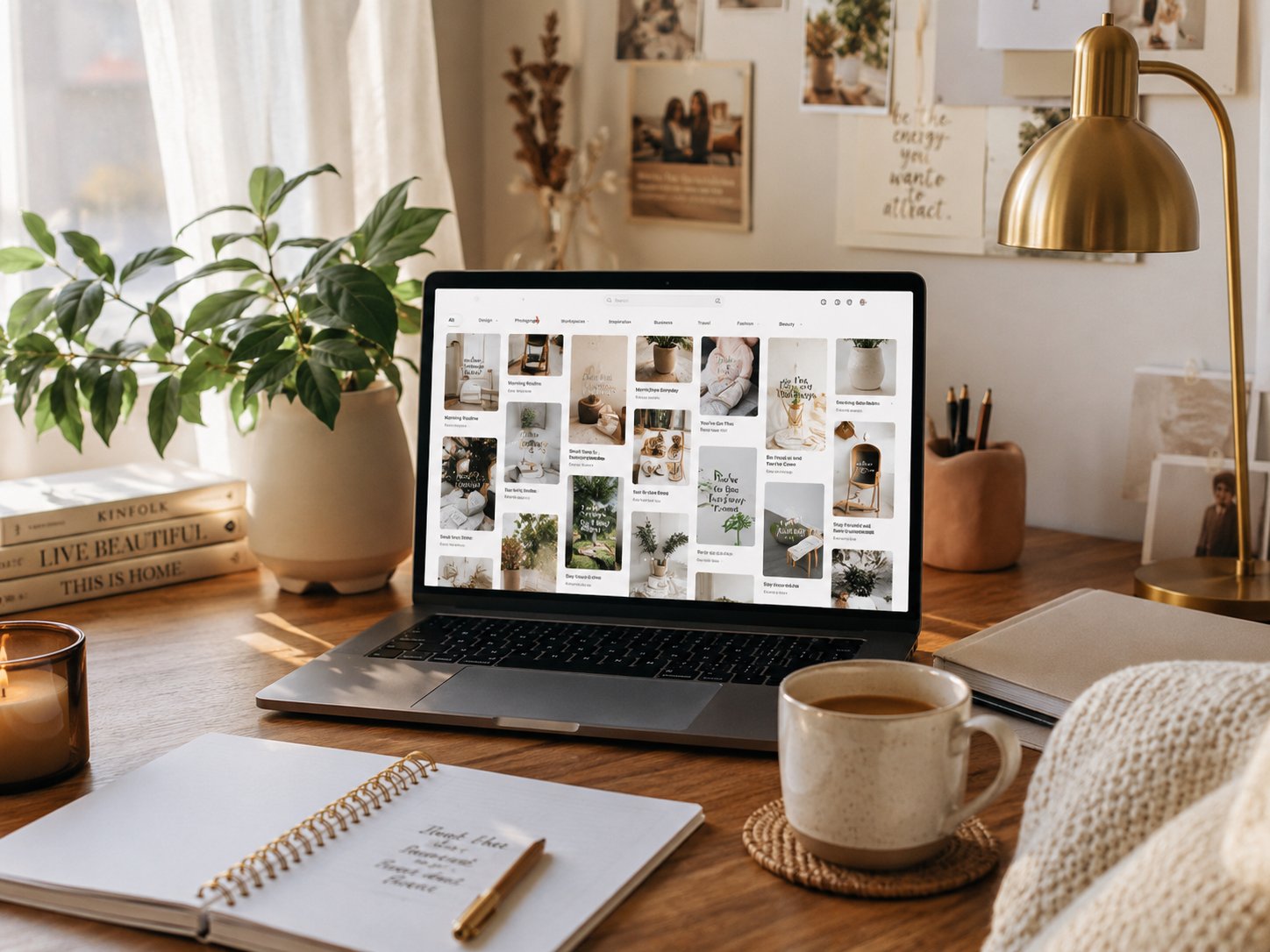
Consistency beats intensity here, and a light routine keeps it sustainable.
Once a week, batch-create a set of fresh pins in Canva, several designs pointing to your key links. Schedule them to publish steadily across the week rather than all at once.
Spend a few minutes checking your analytics to see which pins and keywords are working, then make more of what works. That is the entire loop.
An hour or two a week, kept up for a few months, is genuinely enough to build meaningful traffic. If you want a system to protect that time, our time-blocking guide helps.
Fresh Pins Beat Viral Pins
Here is something Pinterest quietly rewards in 2026: fresh content.
A “fresh pin” just means a new image, even if it points to a link you have shared before. Pinterest favors new visuals, so re-pinning the same graphic over and over does little.
The winning habit is simple: keep making new pin designs for your best links. One great blog post can be promoted with dozens of different pins over time, each a fresh chance to get discovered.
This is why you do not need endless new products to grow. You need new angles and designs for the offers you already have.
The Bottom Line
Pinterest is not a mood board, it is a search engine that hands you free, buyer-ready traffic if you play it right.
Set up a business account, master keywords, design tall pins that get clicks, and send that traffic to something helpful that leads to a sale or an email. Then stay consistent through the slow first months.
You do not need a big following or a personal brand. You need patience and a repeatable weekly routine. Do that, and pins you made once can quietly earn for years, which is about as close to passive income as real work gets.
Track What Matters, Not Vanity Metrics
It is easy to obsess over impressions and saves. They feel good, but they do not pay you.
The numbers that actually matter are outbound clicks (people leaving Pinterest for your site) and what those visitors do next, sign up, buy, or click an affiliate link. A pin with fewer views but more clicks is worth more than a “viral” one nobody taps.
Check your Pinterest analytics and your site analytics together, so you can see the whole journey. Then simply do more of what drives real clicks and sales, and quietly retire the pretty pins that go nowhere. That focus is what turns Pinterest from a hobby into income.
Frequently Asked Questions
Can you really make money on Pinterest in 2026?
Yes, but almost always indirectly. Pinterest sends free, high-intent traffic to your blog, products, affiliate links, or email list, and those make the money. It is a proven, legitimate traffic source when you treat it like search.
How many followers do I need?
Very few. Pinterest shows pins based on keywords and relevance, not follower count, so a new account can still reach thousands of searchers. Focus on good pins and keywords, not on growing followers.
How long until I see results?
Usually two to three months of consistent pinning before traffic really builds, since content needs time to get indexed and rank. It rewards patience, and the traffic keeps compounding after that.
Do I need a blog?
It helps a lot, but it is not required. You can pin to product listings, a shop, or an email freebie instead. A blog simply gives you more ways to monetize the traffic and a home you control.
Is Pinterest better than Instagram for making money?
For driving traffic and sales, often yes. Pinterest users have buying intent and pins last for months, while Instagram is better for community and brand. Many creators use Pinterest for traffic and Instagram for connection.
Is Pinterest free to use for business?
Yes. A Pinterest business account is completely free and unlocks analytics and rich pins. You can build real traffic and income without spending anything, ads are optional and only worth it once an offer already sells organically.
You might also like: Affiliate Marketing for Beginners: A Realistic Income Guide · Digital Products to Sell in 2026 That Scale While You Sleep · 11 Realistic Side Hustles for Women That Actually Pay
Related Post