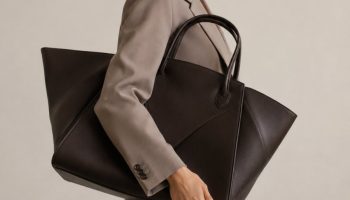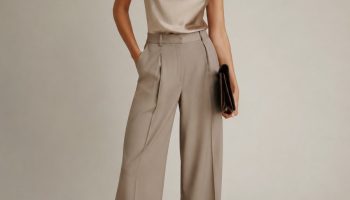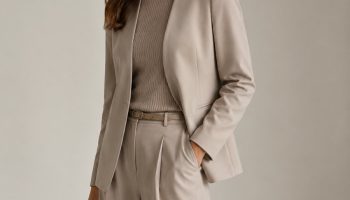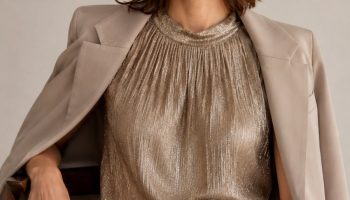


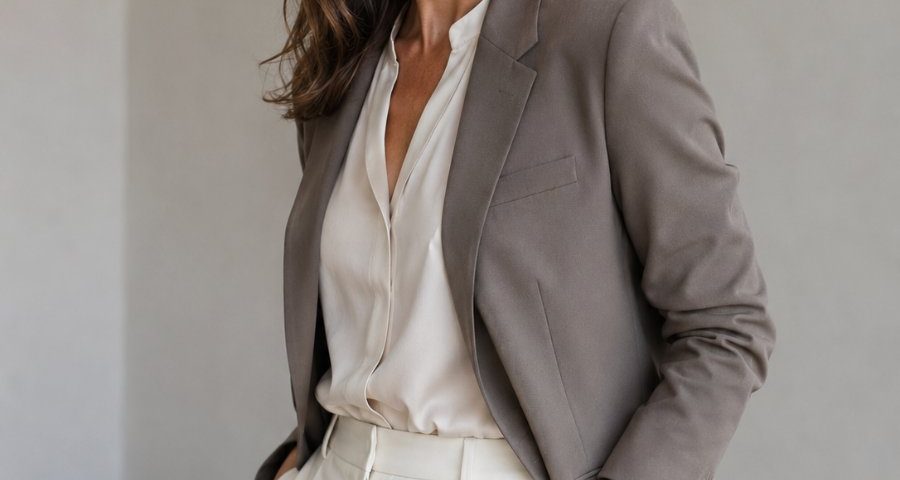
Somewhere after 40, the workwear advice aimed at twenty-somethings stops fitting, and the advice aimed at “women of a certain age” feels like a polite way of telling you to disappear. Neither is what you want. You want to look modern, current, and unmistakably in charge, without chasing trends that were designed for a different decade of your life.
The truth is that your forties, fifties, and beyond are arguably the best time to dress with authority, because you finally know what works on you. The goal is not to look younger or older; it is to look like the most polished, powerful version of yourself, in clothes that fit beautifully and feel effortless.
This guide breaks down what age-appropriate workwear actually means in 2026, the principles that make any outfit read as powerful after 40, the specific pieces worth investing in, and the few things worth leaving behind. None of it is about hiding. All of it is about looking sharp.
What “Age-Appropriate” Really Means (and Doesn’t)
Age-appropriate is one of the most misunderstood phrases in fashion. It does not mean covering up, dressing dully, or surrendering to shapeless, forgettable clothes. It simply means choosing pieces that flatter your body and your life now, and that look intentional rather than borrowed from a much younger or much older wardrobe.
In practice, dressing well after 40 is about elevation, not restriction. You can absolutely wear current trends; you just wear them through the filter of fit, quality, and proportion that experience has taught you. A great outfit at this stage looks expensive and easy, never like it is trying too hard in either direction.
The Principles of Powerful Workwear After 40
Three principles do most of the work. The first is fit: nothing reads as more powerful, or more expensive, than clothes that sit cleanly on your body, which usually means building a relationship with a good tailor. The second is quality over quantity: a small wardrobe of well-made pieces in good fabrics always outperforms a closet full of disposable ones.
The third principle is proportion. After 40, balancing your silhouette matters more than any specific trend, so you pair a relaxed piece with a fitted one and define the waist where it flatters. Master those three things and you can wear almost anything with authority, because the foundation is right.
The Pieces That Look Modern and Polished Over 40
The Well-Cut Blazer
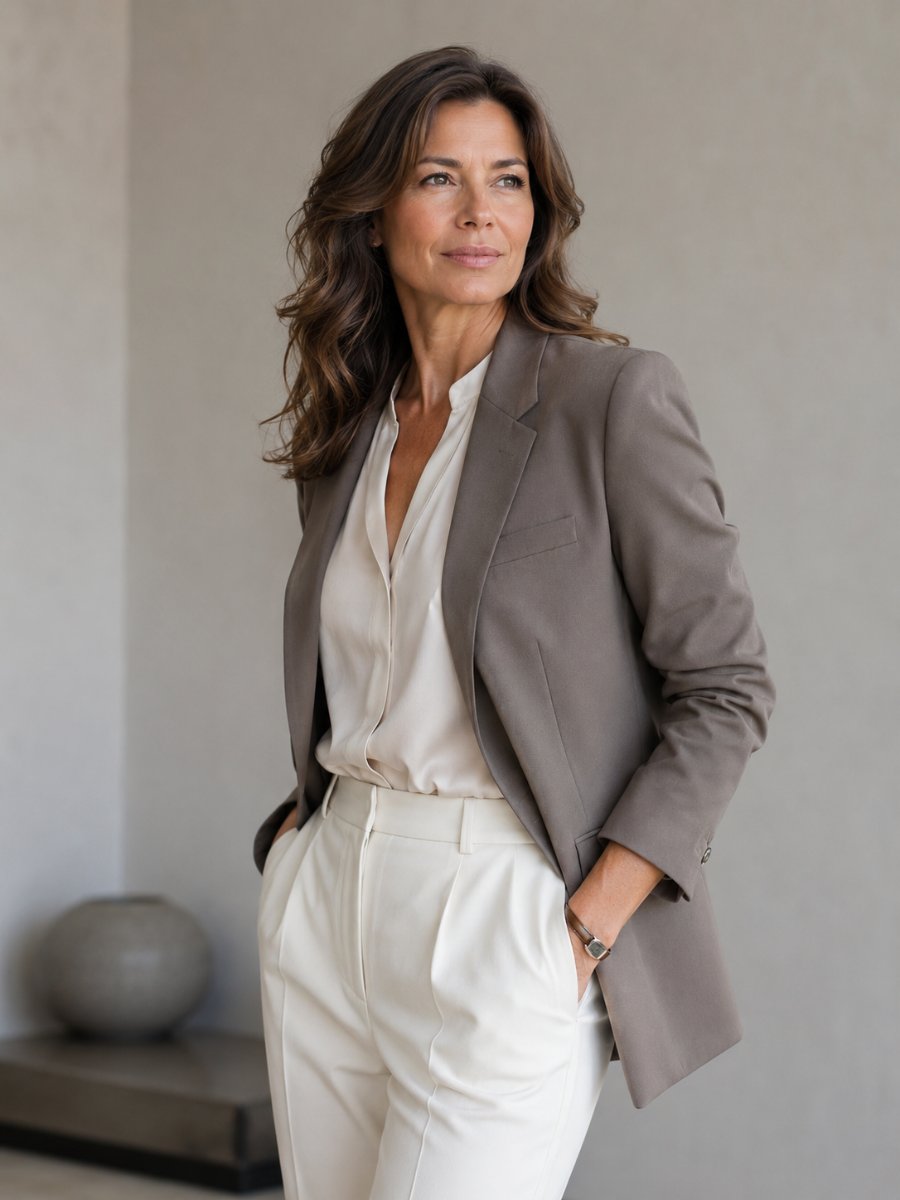
A beautifully tailored blazer is the most powerful piece in any wardrobe, and after 40 it is non-negotiable. It adds instant structure, defines the shoulders, and pulls a whole outfit together, whether layered over a dress, trousers, or simple denim. Choose a modern cut like a single-breasted or collarless style in a quality fabric, and have it tailored to your frame.
The magic of a blazer is its range: the same jacket reads as boardroom-serious over tailored trousers and relaxed-chic over a tee and jeans. Invest in one excellent neutral first, then build from there, and keep it pressed so it always looks deliberate.
Wide-Leg Trousers
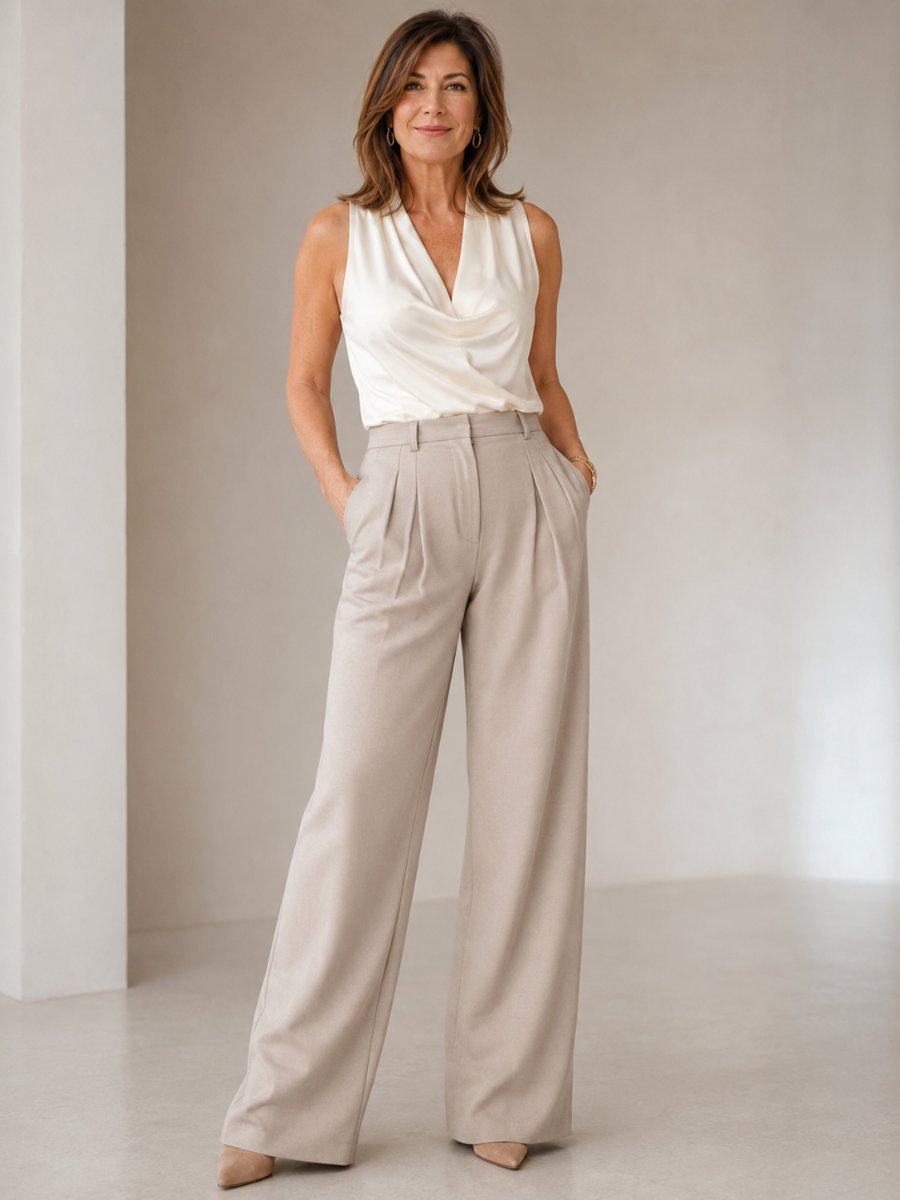
Wide-leg trousers are the most flattering and current trouser shape for women over 40, skimming the body rather than clinging and creating a long, elegant line. In a structured fabric like crepe or lightweight wool, they look polished and feel comfortable through the longest day, which is exactly what you want.
Balance their volume with a fitted or tucked top so the proportions stay sharp, and choose a length that just grazes the floor in your usual shoe. In a neutral tone, a single great pair becomes the foundation of dozens of outfits.
The Knee-Length or Midi Dress
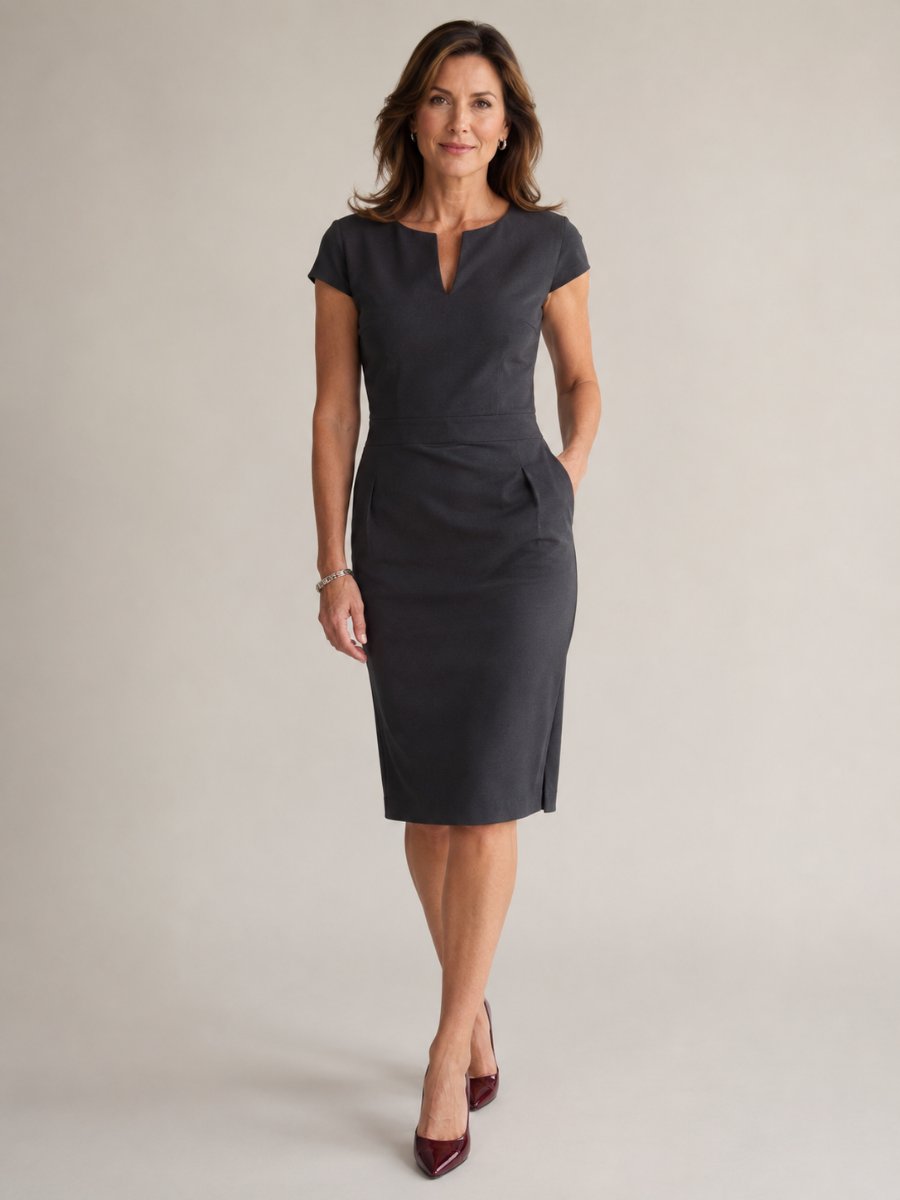
A well-cut dress is the fastest powerful outfit there is, and knee-length or midi styles are the most versatile and flattering after 40. A sheath, shirt dress, or knit dress in a quality fabric looks instantly pulled together and layers easily under a blazer or coat. One decision, fully dressed.
Look for shapes that skim the body and define the waist without clinging, in lengths that sit at or just below the knee, or at mid-calf for a midi. Neutral tones keep them endlessly wearable, while a single richer colour makes a confident statement.
Quality Knitwear
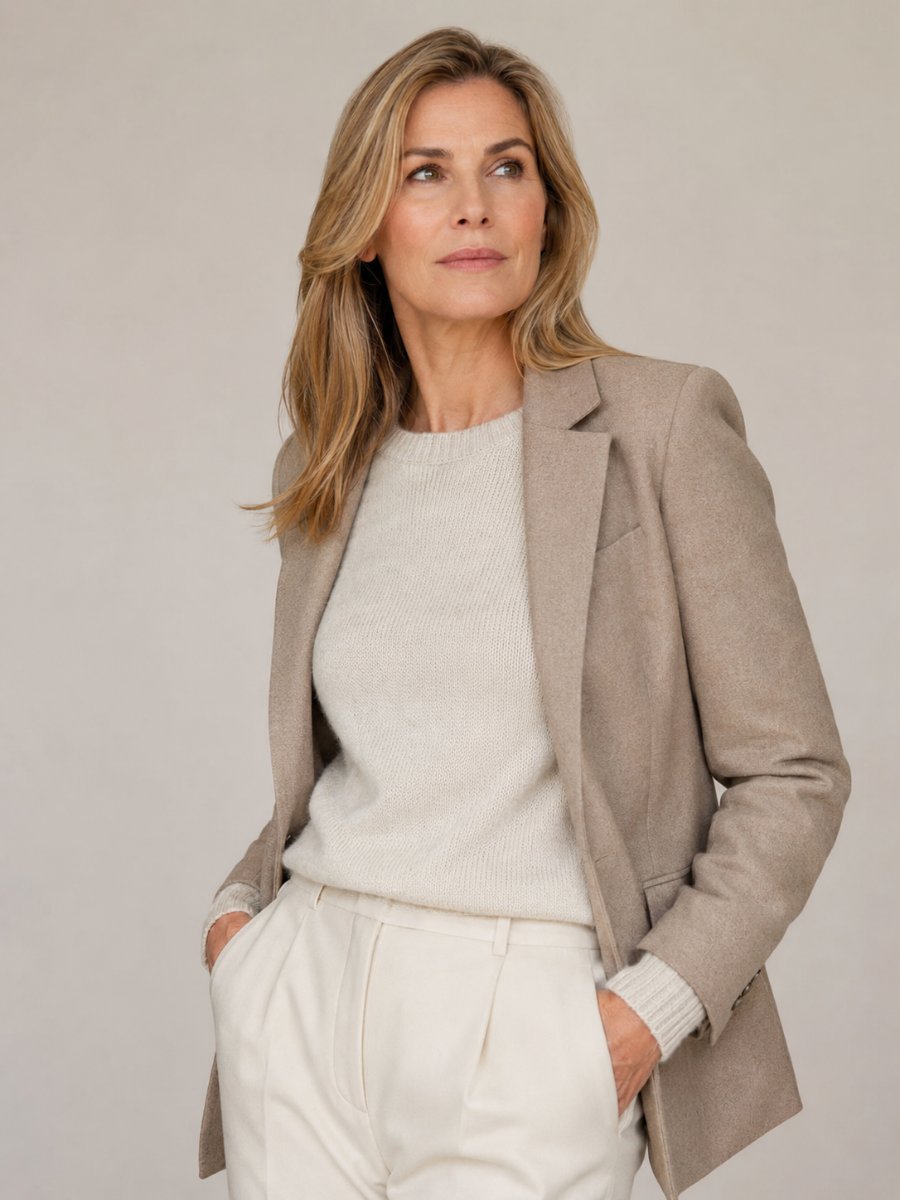
Knitwear has become a workwear anchor, and a fine-gauge sweater or knit dress is one of the most comfortable yet polished things you can wear. After 40, the key is quality: a good merino or cashmere knit drapes elegantly and reads as expensive, while a cheap one pills and sags. It is worth spending here.
Stick to fine, close knits rather than bulky ones for the office, and lean on neutrals so each piece layers cleanly under a blazer or coat. A knit worn under a tailored jacket is the definition of comfortable authority.
The Tailored Shirt
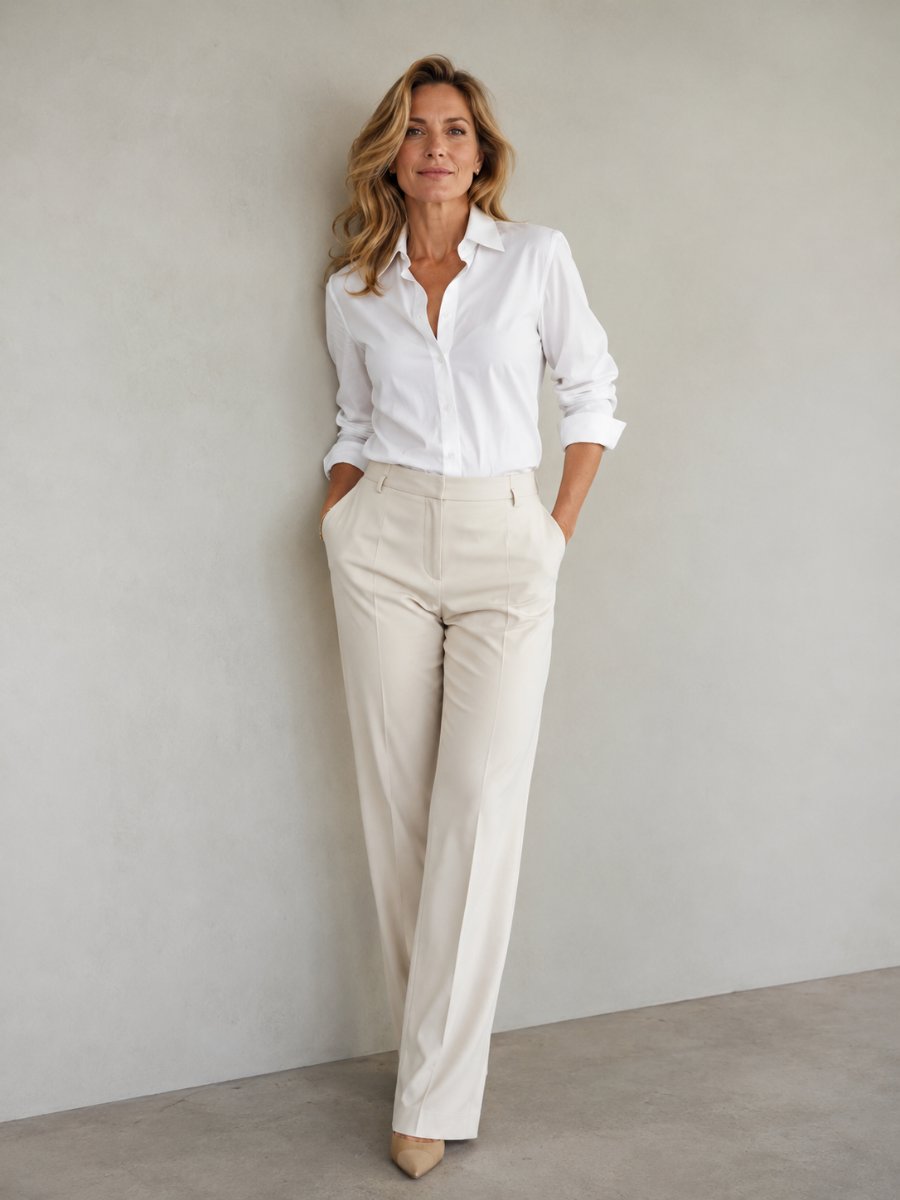
A crisp, well-fitted shirt is a timeless power piece that only gets better with age. In quality cotton, worn tucked under a blazer or open over a shell, it looks sharp, clean, and serious. The fit is everything: look for a cut that skims without gaping, with a collar that holds its shape.
White and pale blue are the most versatile, but a tonal shirt that matches your trousers creates a sleek, modern column. Keep it pressed, and it will quietly elevate every outfit it appears in for years.
The Statement Coat
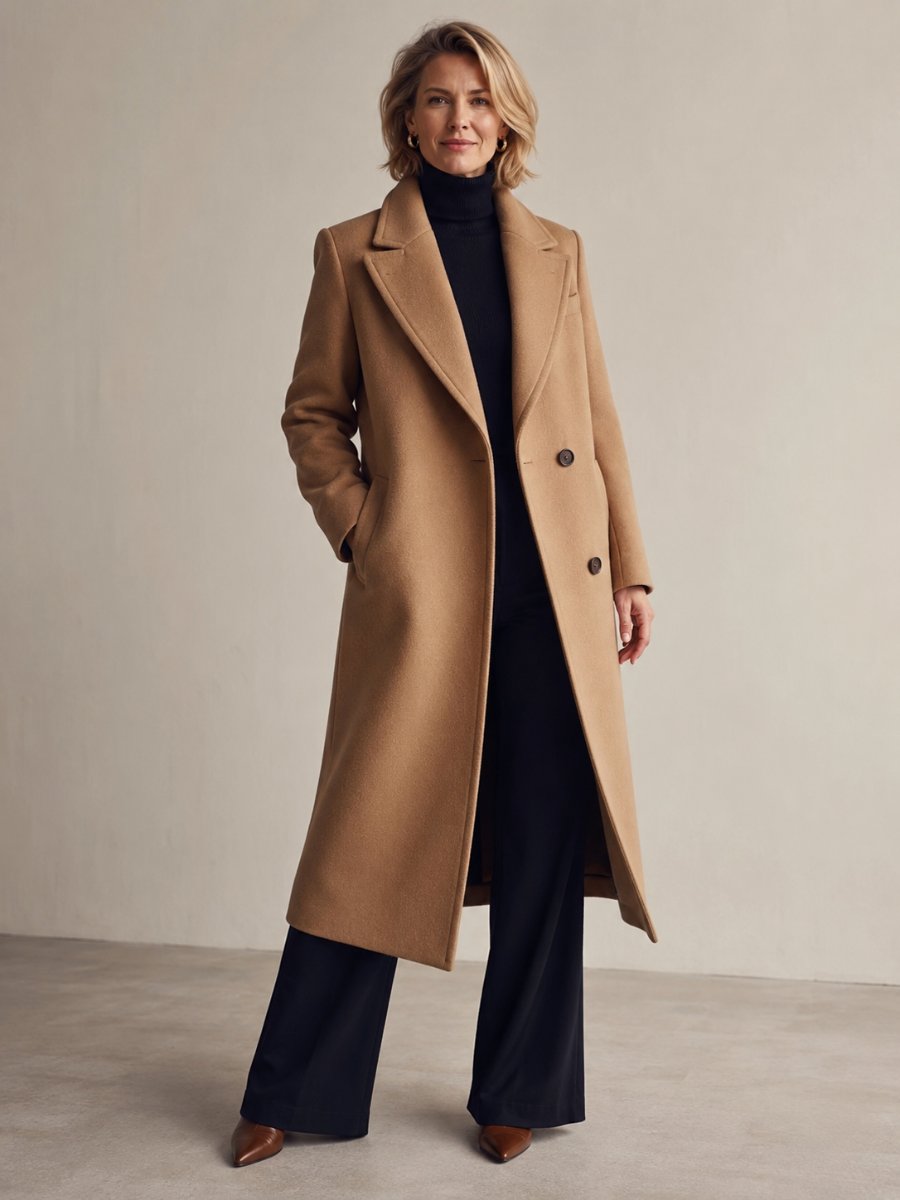
Outerwear is the first and last thing anyone sees, so a great coat does a disproportionate amount of work. A tailored wool overcoat or a classic trench in camel, navy, or grey instantly elevates whatever is underneath and reads as quietly expensive. After 40, this is exactly where to invest.
Buy one excellent coat rather than several mediocre ones, in a length and cut that flatters your frame. A beautiful coat makes even a simple outfit look considered, and it will anchor your wardrobe for a decade.
Elevated Flats and Low Heels
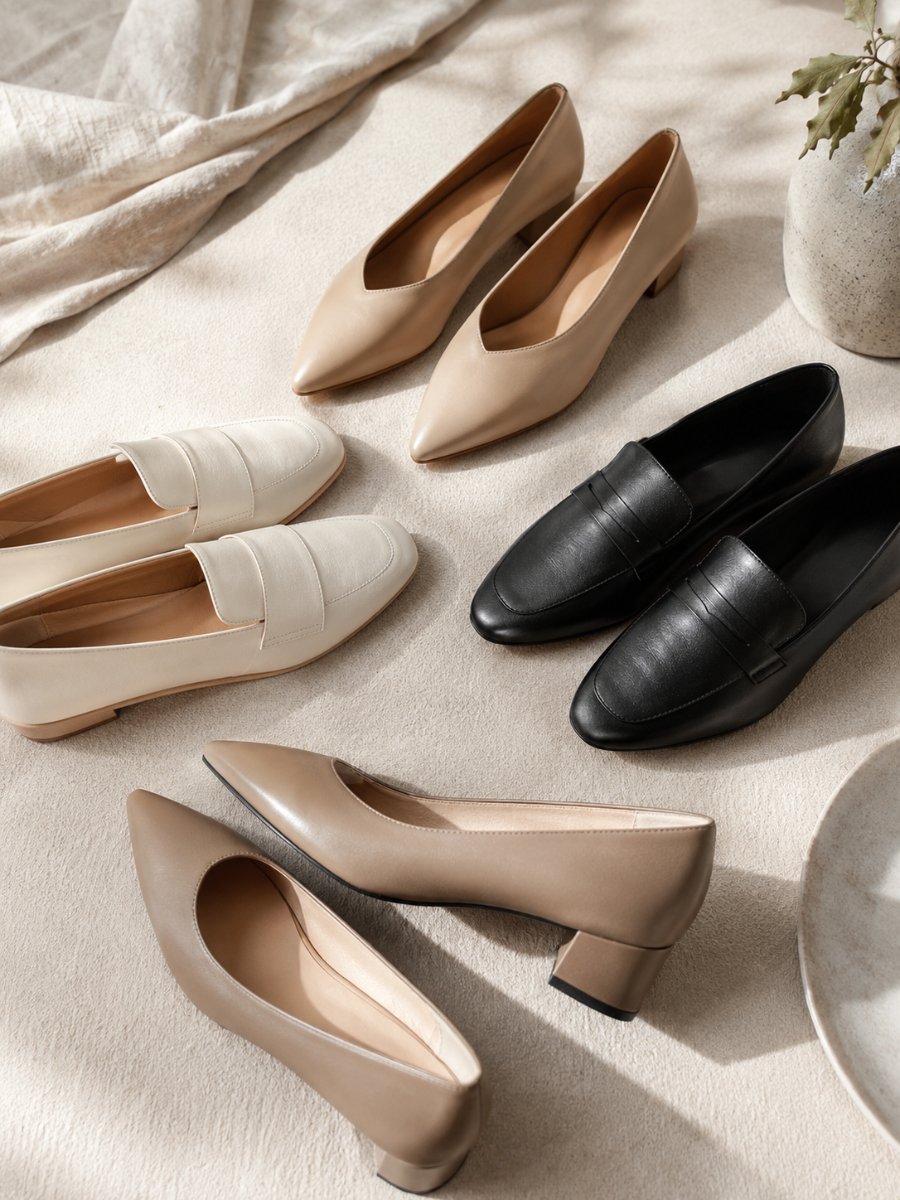
Comfortable, polished footwear is both age-appropriate and bang on trend in 2026. Pointed leather flats, loafers, and low block heels look modern and let you move through a long day with ease, which matters more as the years go on. Kept clean and in quality leather, they read as intentional, never as a compromise.
The towering stiletto is no longer the default, and that is good news. Match your shoes to your bag in coordinating leathers for a finished look, and prioritise comfort you can actually walk in confidently, because confidence is the most powerful accessory of all.
Fabrics and Fit: The Real Secret
If there is one thing that separates expensive-looking workwear from cheap-looking workwear after 40, it is fabric and fit. Natural fibres and quality blends, like wool, cotton, silk, and good knits, drape beautifully, breathe, and hold their shape, while cheap synthetics shine, cling, and date an outfit instantly. Choose fewer, better fabrics.
Fit is the other half of the equation, and it is worth repeating: have your key pieces tailored. A modest alteration to the waist, hem, or sleeves transforms how a garment sits and how powerful you look in it. Well-fitted, well-made clothes signal authority in a way no logo ever can.
Colours That Flatter and Modernise
A flattering palette keeps your wardrobe cohesive and current. Build on neutrals that suit your colouring, such as navy, charcoal, stone, ivory, and camel, which combine effortlessly and read as refined. These tones photograph well and never date, which makes them ideal for a professional life full of meetings and visibility.
Add interest with a few richer accents you genuinely enjoy, like burgundy, forest green, or a soft blue, worn through a top, coat, or accessory. One considered colour at a time keeps you looking modern and intentional rather than either washed out or overdone.
What to Leave Behind
Dressing powerfully after 40 means letting go of a few things. Retire ill-fitting clothes of any kind, stiff fast-fashion synthetics, and the shapeless pieces often marketed as “flattering” that actually erase your shape. Extremely high stilettos and anything you have to constantly tug or adjust can also go, because comfort and ease now read as confidence.
Equally, do not feel obliged to cover up or fade into beige. The aim is not to look invisible but to look sharp, current, and like yourself. Swap anything that feels like hiding for pieces that fit well, feel good, and make you stand a little taller. For lower-maintenance hair to match, see our guide to the executive bob.
Frequently Asked Questions
What does age-appropriate workwear mean after 40?
It means dressing in pieces that flatter your body and suit your life now, and that look intentional and current rather than borrowed from a much younger or much older wardrobe. It is about elevation, not restriction: good fit, quality fabrics, and balanced proportion. You can wear modern trends; you simply filter them through the experience that tells you what genuinely works on you.
Can women over 40 wear current fashion trends to work?
Absolutely. The key is adapting trends to fit, proportion, and quality rather than wearing them exactly as styled on a twenty-year-old. Wide-leg trousers, collarless blazers, and elevated knitwear are all current and deeply flattering after 40. Choose the version of a trend that suits your body and your setting, and it will look powerful and modern rather than like you are chasing youth.
What are the most flattering workwear pieces for women over 40?
A well-cut blazer, wide-leg trousers, a knee-length or midi dress, quality knitwear, a crisp tailored shirt, and a statement coat form a powerful core. Finished with polished flats or low heels, these pieces flatter most figures, mix endlessly, and read as expensive. The common thread is structure and clean lines that skim the body rather than cling to or hide it.
What should women over 40 stop wearing to the office?
Let go of anything that does not fit well, stiff shiny synthetics, very high stilettos, and the shapeless “flattering” pieces that actually hide your shape. You do not need to cover up or default to beige, either. Replace those with well-fitted tailoring, natural fabrics, comfortable polished shoes, and a few colours you love, and your whole wardrobe will look sharper instantly.
How can I look powerful at work without spending a fortune?
Prioritise fit and fabric over labels. Buy fewer, better pieces in a tight neutral palette, invest where it shows most, like the blazer, coat, and shoes, and save on simpler layers. Crucially, budget for tailoring, since a small alteration makes mid-priced clothes look custom. A well-fitted, well-maintained wardrobe always reads as more powerful and expensive than a pile of cheap trend pieces.
You might also like: 15 Business Casual Outfits for Women • The Executive Bob • Best Hairstyles for Female Entrepreneurs in Summer
Related Post